 简体中文
简体中文 English

Material selection for drive shaft bearings
Material Selection for Transmission Shaft Bearings: Key Considerations and Applications
High-Performance Steel Alloys for General Industrial Use
High-carbon chromium steel (e.g., GCr15, equivalent to AISI 52100) dominates transmission shaft bearings due to its balanced combination of hardness (HRC 61–65), fatigue resistance, and cost efficiency. This material achieves optimal performance through precise heat treatment, such as quenching and tempering, which enhances its ability to withstand cyclic loading in automotive drivetrains and industrial machinery. For example, in heavy-duty truck differentials, GCr15 bearings endure radial loads exceeding 50 kN while maintaining dimensional stability over 1 million kilometers of operation.
Alloy modifications like GCr15SiMn further improve high-temperature resilience, making them suitable for metallurgical equipment operating at 150°C. These steels are also preferred for their compatibility with steel or composite shafts, minimizing wear at contact points. However, their susceptibility to corrosion in humid environments necessitates protective coatings or alternative materials in chemical processing applications.
Corrosion-Resistant Stainless Steels for Harsh Environments
Stainless steel bearings (e.g., AISI 440C or 316 grade) address challenges in marine, food processing, and pharmaceutical sectors where contamination risks are critical. The 440C variant, containing 16–18% chromium, forms a passive oxide layer that resists saltwater and weak acids, extending service life in offshore drilling platforms. A case study in a seafood processing plant demonstrated that 440C bearings reduced downtime by 40% compared to carbon steel alternatives when exposed to brine and cleaning agents.
For extreme chemical resistance, 316 stainless steel (with molybdenum additions) is selected for conveyor systems handling corrosive chemicals. Its non-magnetic property also benefits MRI machines and vacuum chambers. Despite lower load ratings than chromium steels, advancements in precipitation-hardening treatments have narrowed the performance gap, enabling 316 bearings to support loads up to 30 kN in slow-speed applications.
Advanced Ceramics for High-Speed and High-Temperature Applications
Ceramic bearings (e.g., silicon nitride or zirconia) excel in aerospace turbines and electric vehicle (EV) traction motors, where operating temperatures exceed 300°C and rotational speeds surpass 20,000 RPM. Silicon nitride’s low density (40% of steel) reduces centrifugal forces, while its thermal expansion coefficient (2.5×10⁻⁶/°C) minimizes dimensional changes under extreme heat. In a hybrid design, ceramic rolling elements paired with steel rings reduce friction by 30%, improving EV range by 5–8%.
Zirconia ceramics, though less heat-resistant, offer superior toughness for applications with intermittent shock loads, such as mining equipment. A field test in a copper ore crusher showed zirconia bearings outlasting steel counterparts by 3:1 in gritty environments, despite their 50% higher initial cost. However, ceramic brittleness restricts their use to controlled-impact scenarios, necessitating rigorous shaft alignment during installation.
Engineered Plastics for Lightweight and Low-Friction Needs
Polyethylene (PE), polyamide (PA), and polytetrafluoroethylene (PTFE) bearings cater to food machinery, medical devices, and cleanroom environments where lubrication is impractical. PTFE’s self-lubricating property and chemical inertness make it ideal for conveyor systems in semiconductor fabrication, eliminating contamination risks. A pharmaceutical packaging line adopting PTFE bearings reported a 90% reduction in particulate generation compared to greased steel alternatives.
For moderate loads (<10 kN), glass-fiber-reinforced PA66 bearings provide a cost-effective solution in agricultural equipment, combining corrosion resistance with a 20% weight reduction over metal. However, plastic creep under sustained loads limits their use to intermittent-duty cycles, requiring periodic re-tightening of mounting bolts in textile machinery applications.
Material Selection Criteria for Optimal Performance
- Load and Speed Compatibility: High-carbon steels suit heavy radial loads, while ceramics dominate ultra-high-speed regimes.
- Environmental Resistance: Stainless steels and plastics prevent corrosion in chemical or wet conditions, whereas ceramics resist oxidation at elevated temperatures.
- Cost-Benefit Analysis: Plastic bearings reduce maintenance costs in low-load scenarios, while ceramic hybrids justify premium pricing in high-value sectors like renewable energy.
- Manufacturing Constraints: Ceramics require diamond grinding tools, increasing production costs by 300% compared to steel, which limits their adoption to niche markets.
By aligning material properties with operational demands—such as selecting GCr15 for automotive differentials or silicon nitride for aerospace turbines—engineers can optimize bearing lifespan and system efficiency across diverse industries.
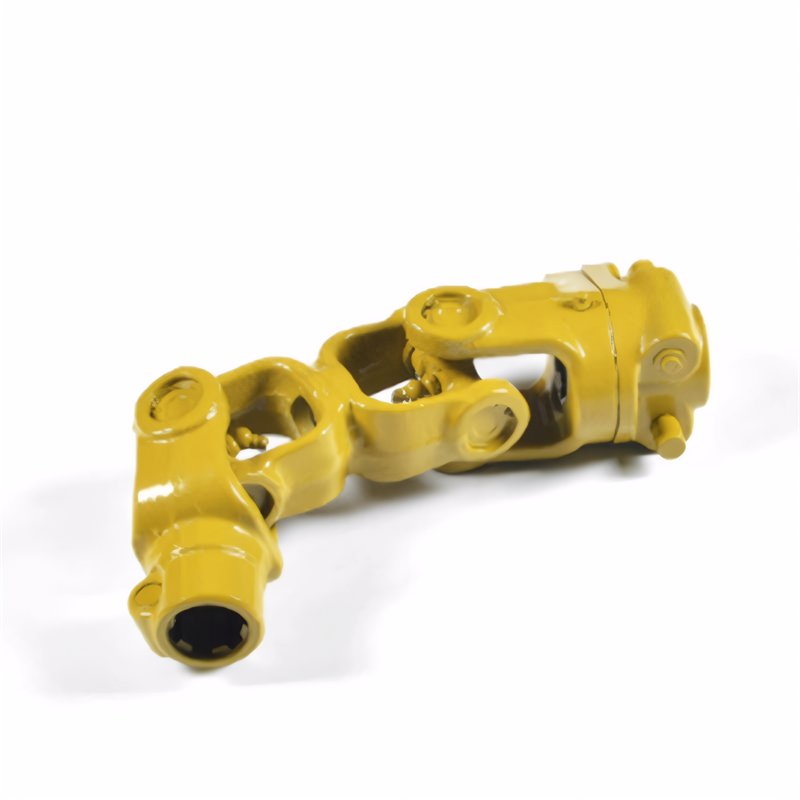 Transmission shaft medical equ
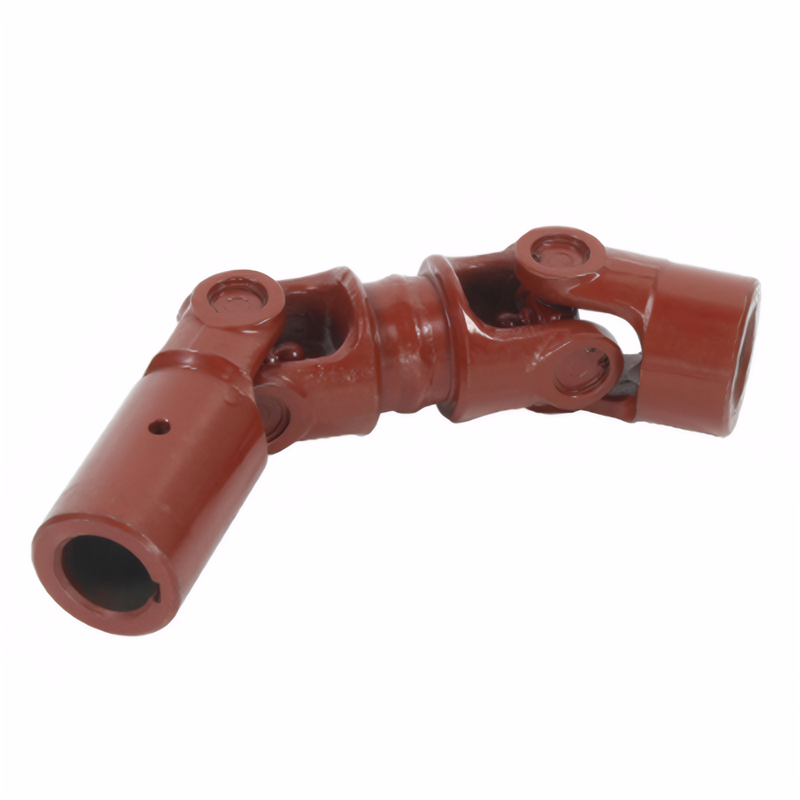 Transmission shaft safety prot
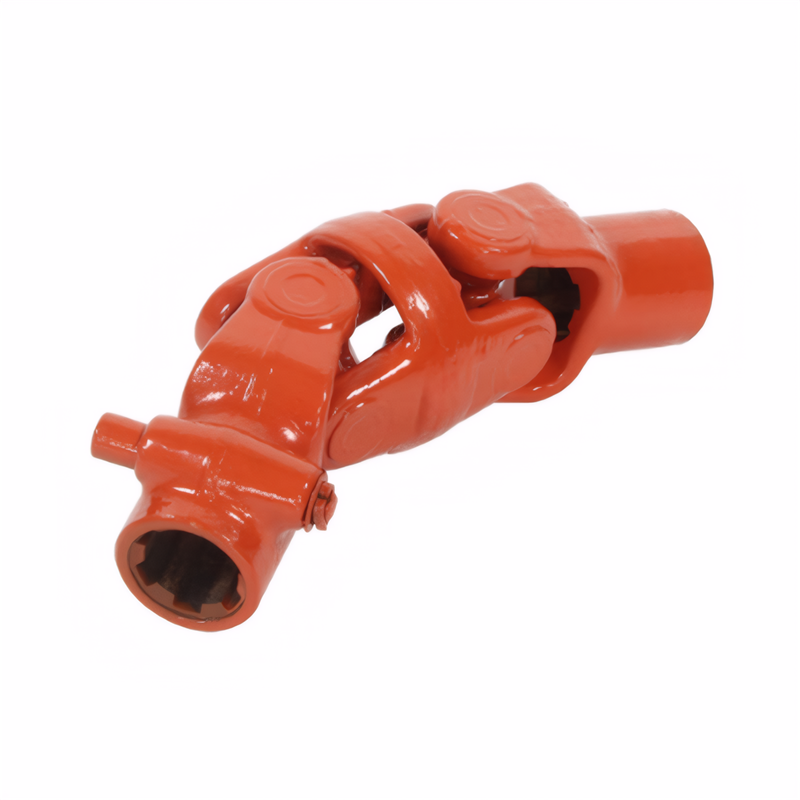 Transmission shaft compatibili
Method for detecting the stabi
Transmission shaft compatibili
Method for detecting the stabi