 简体中文
简体中文 English

The Angle compensation range of the drive shaft
Angle Compensation Ranges in Drive Shafts
Drive shafts must accommodate angular misalignments between connected components, such as the transmission and differential, to ensure smooth power transmission. The angle compensation range defines the maximum angular deviation a drive shaft can tolerate without compromising performance or durability. This parameter is critical in automotive, industrial, and aerospace applications, where dynamic loads and varying operating conditions demand flexible yet robust designs.
The angle compensation range varies based on the drive shaft’s design, material, and intended use. Factors like joint type, bearing arrangement, and structural stiffness influence the permissible angles. For instance, drive shafts with universal joints (U-joints) typically allow higher angular deviations compared to those with constant velocity (CV) joints, which prioritize smooth rotation at lower angles. Understanding these ranges helps engineers optimize drive shafts for specific applications, balancing flexibility and efficiency.
Universal Joint (U-Joint) Compensation Capabilities
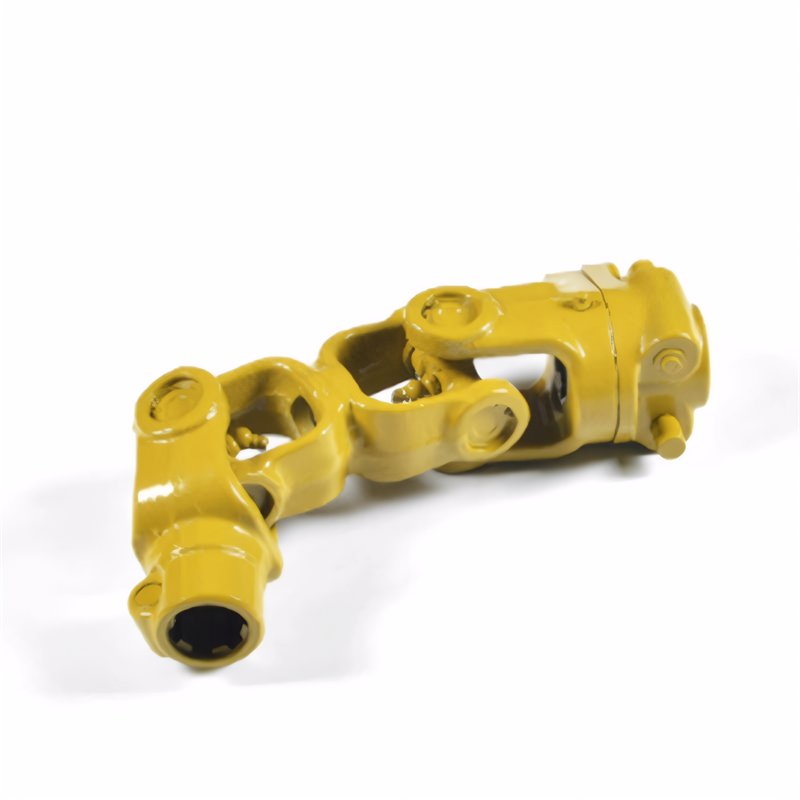
Universal joints are widely used in drive shafts due to their ability to transmit torque at varying angles. The maximum operating angle for a U-joint typically ranges from 25° to 35°, depending on the design and load conditions. Single U-joints are common in rear-wheel-drive vehicles, where the drive shaft connects the transmission to the differential. These joints compensate for angular misalignments caused by suspension movement or chassis flex during operation.
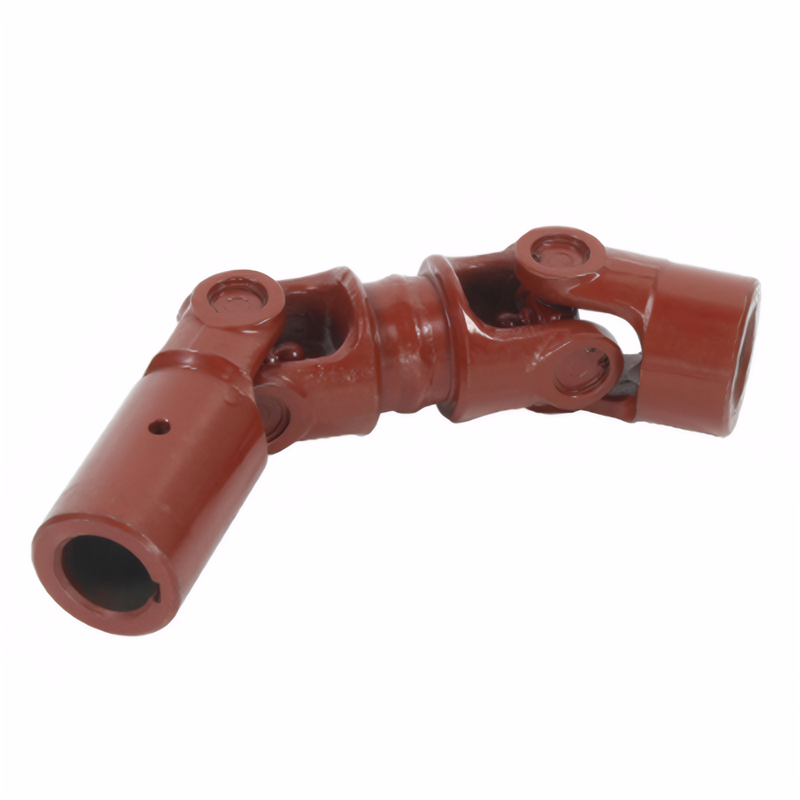
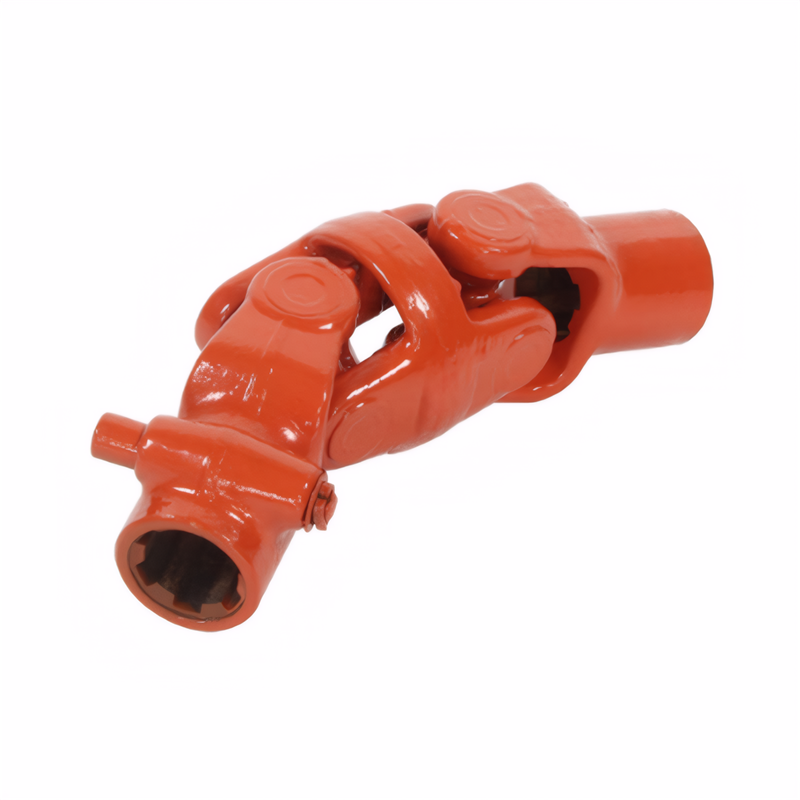
However, U-joints introduce speed fluctuations, known as non-constant velocity, which become pronounced at higher angles. This can lead to vibration and wear if not properly managed. Double U-joint configurations, often used in long drive shafts, mitigate this issue by pairing joints with opposing angles. This setup reduces speed variations and extends the effective compensation range, allowing smoother operation at angles up to 45° in some applications.
Constant Velocity (CV) Joint Compensation Limits
Constant velocity joints are designed to maintain equal rotational speeds at the input and output shafts, even at significant angles. These joints are commonly used in front-wheel-drive and all-wheel-drive vehicles, where the drive shafts must accommodate steep steering angles. The maximum operating angle for CV joints typically ranges from 20° to 30°, depending on the joint type and application.
Ball-type CV joints, such as Rzeppa joints, are prevalent in drive shafts due to their durability and ability to handle high torque loads. These joints use a track system with balls to transmit power smoothly, even at extreme angles. Tripod joints, another type of CV joint, are often used in drive shafts for their compact design and ability to operate at angles up to 22°. The choice of CV joint depends on the required compensation range, torque capacity, and packaging constraints.
Flexible Couplings and Their Compensation Ranges
Flexible couplings are used in drive shafts to compensate for angular, axial, and radial misalignments. These couplings incorporate elastic elements, such as rubber or metal bellows, to absorb vibrations and accommodate misalignments. The angle compensation range for flexible couplings varies based on the design and material.
Elastomeric couplings, which use rubber or polyurethane elements, typically allow angular misalignments up to 5° to 10°. These couplings are cost-effective and easy to maintain, making them suitable for light-duty applications. Metal bellows couplings, on the other hand, offer higher torque capacity and angular compensation ranges up to 15°. These couplings are used in industrial machinery and high-performance vehicles, where precise power transmission and durability are critical.
The choice of flexible coupling depends on the application’s requirements, including torque, speed, and misalignment tolerance. Engineers must balance the coupling’s flexibility with its ability to transmit power efficiently and withstand dynamic loads.
 Transmission shaft medical equ
 Transmission shaft safety prot
 Transmission shaft compatibili
Method for detecting the stabi
Transmission shaft compatibili
Method for detecting the stabi