 简体中文
简体中文 English

The stainless steel drive shaft has undergone corrosion-resistant treatment
Corrosion - Resistant Treatments for Stainless Steel Drive Shafts
Drive shafts are essential components in various mechanical systems, facilitating the transfer of rotational power. When made of stainless steel, they offer inherent corrosion resistance, but to further enhance their durability in harsh environments, specific corrosion - resistant treatments are often applied.
Understanding Stainless Steel Corrosion in Drive Shafts
Types of Corrosion Threats
Stainless steel drive shafts can face different types of corrosion. Pitting corrosion is a common issue, where small pits form on the surface due to local chemical or electrochemical reactions. This can be caused by the presence of chloride ions, often found in marine or industrial settings with salt - laden air or water. Crevice corrosion occurs in narrow spaces, such as between the drive shaft and a mating component. In these areas, the oxygen supply is limited, leading to an anodic reaction that accelerates corrosion. Stress - corrosion cracking is another concern, which happens when a combination of tensile stress and a corrosive environment acts on the stainless steel, causing cracks to form and propagate.
Environmental Factors
The operating environment plays a significant role in determining the corrosion behavior of stainless steel drive shafts. High - humidity environments can promote the formation of a thin electrolyte layer on the surface, facilitating electrochemical corrosion. Exposure to chemicals, such as acids, alkalis, and solvents, can also attack the stainless steel surface, depending on the chemical composition and concentration. In addition, extreme temperatures can affect the corrosion rate. For example, high temperatures can increase the chemical reactivity of the environment and the stainless steel, while low temperatures can cause the formation of ice or condensation, which may lead to crevice corrosion.
Surface Coating Treatments for Enhanced Corrosion Resistance
Electroplating
Electroplating is a widely used method to deposit a thin layer of a more corrosion - resistant metal onto the stainless steel drive shaft. For instance, nickel plating can be applied to improve the surface hardness and corrosion resistance of the stainless steel. The nickel layer acts as a barrier, preventing the corrosive substances from reaching the underlying stainless steel. Chromium plating is another option, which not only enhances corrosion resistance but also provides a decorative finish. During the electroplating process, the drive shaft is immersed in an electrolyte solution containing the metal ions to be deposited. An electric current is then passed through the solution, causing the metal ions to be reduced and deposited onto the surface of the drive shaft.
Anodizing (for certain stainless - like alloys)
Although anodizing is more commonly associated with aluminum, some stainless - like alloys can also undergo a similar process to form a protective oxide layer. This oxide layer is thicker and more adherent than the natural oxide layer that forms on the surface of stainless steel. The anodizing process involves immersing the drive shaft in an electrolytic solution and applying an electric current. The resulting oxide layer can improve the corrosion resistance, wear resistance, and even the appearance of the drive shaft. It can also provide a base for further surface treatments, such as painting or sealing.
Organic Coatings
Organic coatings, such as epoxy and polyurethane coatings, can be applied to stainless steel drive shafts to provide an additional layer of protection against corrosion. These coatings form a continuous film on the surface, preventing the contact between the stainless steel and the corrosive environment. Epoxy coatings are known for their excellent chemical resistance and adhesion to the substrate. They can withstand a wide range of chemicals and are suitable for use in industrial and marine applications. Polyurethane coatings offer good weather resistance and flexibility, making them ideal for drive shafts that are exposed to outdoor environments with temperature fluctuations. The application of organic coatings can be done by spraying, brushing, or dipping the drive shaft into the coating material.
Chemical Passivation Treatments for Stainless Steel Drive Shafts
Principle of Passivation
Chemical passivation is a process that enhances the natural corrosion resistance of stainless steel by forming a thin, passive oxide layer on the surface. This oxide layer is composed of chromium oxide, which is highly stable and non - reactive. The passivation process involves treating the stainless steel drive shaft with a chemical solution, typically containing nitric or citric acid. The acid removes any free iron and other contaminants from the surface, allowing the chromium in the stainless steel to react with oxygen in the air and form the passive oxide layer.
Passivation Process Steps
The passivation process usually starts with cleaning the stainless steel drive shaft to remove any dirt, oil, or grease. This can be done using alkaline cleaners or solvents. After cleaning, the drive shaft is immersed in the passivation solution for a specified period of time, depending on the type of acid used and the desired level of passivation. The temperature of the solution may also be controlled to optimize the passivation reaction. Once the passivation is complete, the drive shaft is rinsed thoroughly with water to remove any residual acid. In some cases, a post - passivation treatment, such as neutralization or drying, may be required to ensure the long - term stability of the passive layer.
Benefits of Passivation
Passivation offers several benefits for stainless steel drive shafts. It significantly improves the corrosion resistance of the stainless steel, especially in environments where chloride ions are present. The passive oxide layer acts as a barrier, preventing the initiation and propagation of corrosion. Passivation also enhances the cleanliness of the surface, reducing the risk of contamination in sensitive applications, such as in the food or pharmaceutical industries. Additionally, passivation can improve the appearance of the stainless steel drive shaft, giving it a bright and uniform finish.
Maintenance and Monitoring for Long - Term Corrosion Protection
Regular Inspection
Regular inspection of stainless steel drive shafts is crucial for detecting early signs of corrosion. Visual inspection can reveal surface changes, such as discoloration, pitting, or cracking. Non - destructive testing methods, such as ultrasonic testing or eddy current testing, can also be used to detect internal corrosion or defects that may not be visible on the surface. Inspections should be carried out at regular intervals, depending on the operating environment and the criticality of the drive shaft in the mechanical system.
Cleaning and Maintenance Procedures
Proper cleaning and maintenance are essential for maintaining the corrosion resistance of stainless steel drive shafts. The drive shafts should be kept clean and free from dirt, debris, and corrosive substances. Regular cleaning with mild detergents and water can help remove surface contaminants. In harsh environments, more frequent cleaning may be required. It is important to avoid using abrasive cleaners or tools that can damage the surface of the stainless steel and disrupt the passive oxide layer. Lubrication of the drive shaft's moving parts, such as bearings and joints, can also help reduce wear and prevent the ingress of corrosive substances.
Environmental Control
Controlling the operating environment can also contribute to the long - term corrosion protection of stainless steel drive shafts. In indoor applications, maintaining a clean and dry environment can reduce the risk of corrosion. In outdoor applications, measures such as providing shelter or using protective covers can help shield the drive shafts from the elements. If the drive shafts are exposed to corrosive chemicals, proper ventilation and containment systems should be in place to minimize the exposure and prevent the spread of the chemicals.
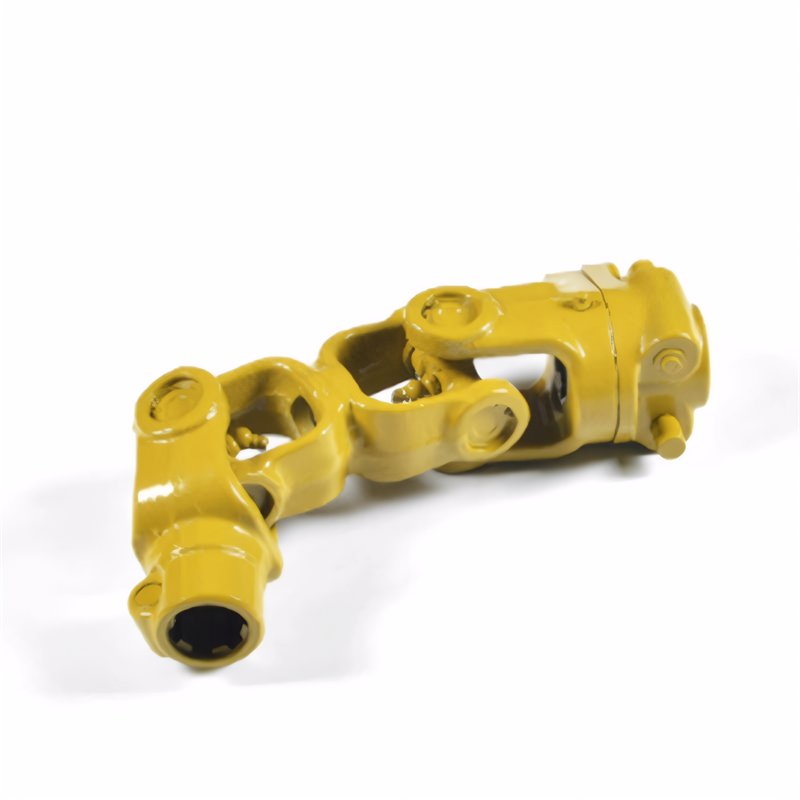 Transmission shaft safety perf
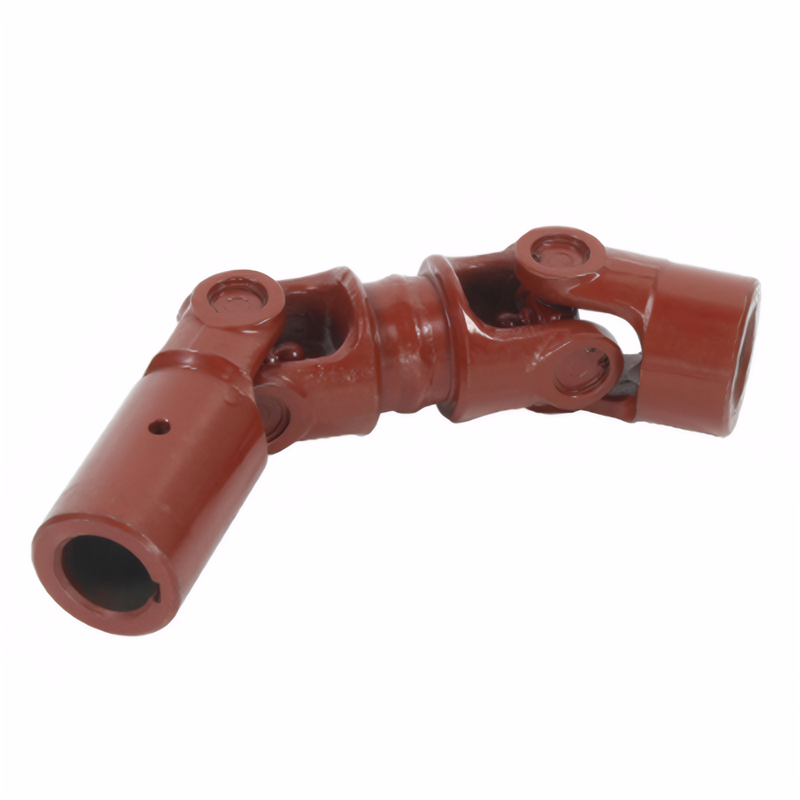 Transmission shaft life test s
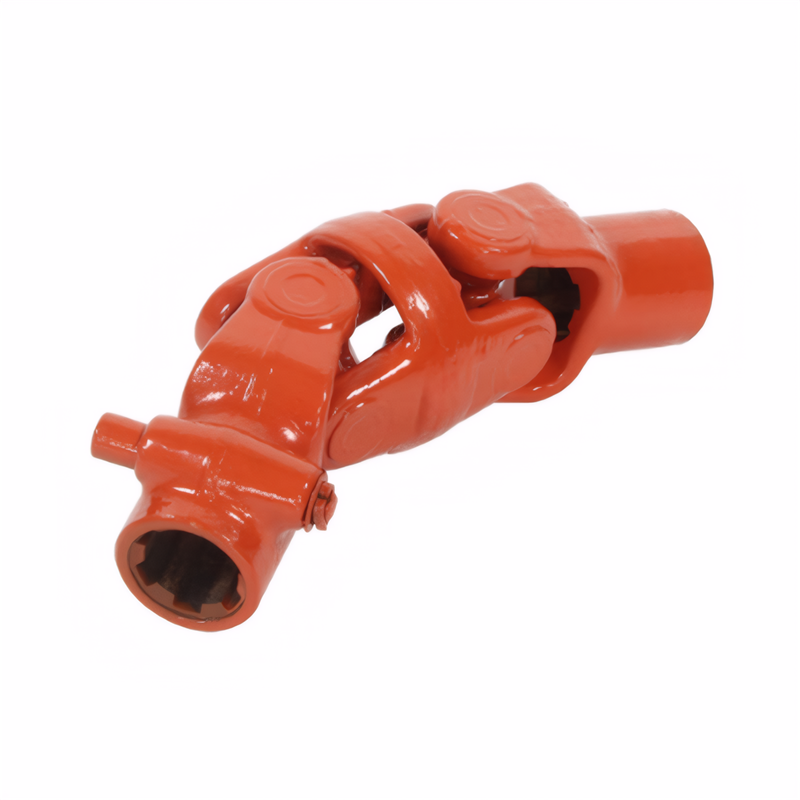 Test requirements for transmis
Standard for batch inspection
Test requirements for transmis
Standard for batch inspection