 简体中文
简体中文 English

Transmission shaft safety performance certification
Comprehensive Guide to Drive Shaft Safety Performance Certification
Drive shafts are critical components in automotive and industrial machinery, responsible for transmitting torque from the engine to the wheels or other driven components. Ensuring their safety performance through rigorous certification processes is essential to prevent premature failures and ensure reliable operation. This guide provides an in-depth look at the key aspects of drive shaft safety performance certification.
Understanding the Importance of Certification
Drive shafts are subjected to complex stress states during operation, including torsion, bending, and vibration. These stresses can lead to fatigue failure over time, especially if the shaft is not designed or manufactured to high standards. Certification processes are designed to verify that drive shafts meet specific safety and performance criteria, reducing the risk of failure and enhancing overall system reliability.
Certification also provides manufacturers with a competitive edge by demonstrating their commitment to quality and safety. For consumers, certified drive shafts offer peace of mind, knowing that the components they are using have undergone rigorous testing and meet industry standards.
Key Certification Standards and Requirements
International Standards
Several international standards govern the safety performance of drive shafts. One of the most widely recognized is ISO 6475, which specifies the test methods for automotive drive shafts, including torsion fatigue testing, static strength testing, and fatigue crack detection. This standard ensures that drive shafts can withstand the cyclic loads they experience during normal operation without failing prematurely.
In addition to ISO 6475, other relevant standards include ISO 1101 for geometric product specifications, ISO 1302 for surface texture annotation, and ISO 1940-1 for mechanical vibration balance requirements. These standards collectively provide a comprehensive framework for evaluating the safety and performance of drive shafts.
Regional and Industry-Specific Standards
Different regions and industries may have their own specific standards for drive shaft certification. For example, in the automotive industry, drive shafts must comply with regional regulations such as the European Union's CE marking, which indicates conformity with health, safety, and environmental protection standards. Similarly, in the aerospace industry, drive shafts may need to meet stringent standards set by organizations like the Federal Aviation Administration (FAA) or the European Aviation Safety Agency (EASA).
Manufacturers must be aware of and comply with all relevant standards and regulations to ensure their drive shafts can be sold and used in specific markets.
Certification Process and Testing Procedures
Initial Assessment and Documentation
The certification process typically begins with an initial assessment of the drive shaft design and manufacturing process. Manufacturers must provide detailed documentation, including design drawings, material specifications, and manufacturing procedures. This documentation helps certification bodies understand the drive shaft's intended use, operating conditions, and potential failure modes.
Sample Testing and Analysis
Once the initial assessment is complete, certification bodies will require samples of the drive shaft for testing. These tests may include:
Static Strength Testing: This test evaluates the drive shaft's ability to withstand maximum loads without failing. The shaft is subjected to a static torque that exceeds its expected operating range to ensure it has sufficient strength margins.
Torsion Fatigue Testing: Torsion fatigue testing simulates the cyclic torsional loads that the drive shaft experiences during normal operation. The shaft is rotated back and forth under a specified torque amplitude and frequency for a predetermined number of cycles. The test helps identify potential fatigue failure points and assesses the shaft's overall fatigue life.
Fatigue Crack Detection: During torsion fatigue testing, non-destructive evaluation techniques such as ultrasonic testing or magnetic particle testing may be used to detect the initiation and growth of fatigue cracks. Early detection of cracks is crucial for preventing catastrophic failures and ensuring the drive shaft's long-term reliability.
Dynamic Balance Testing: Dynamic balance testing ensures that the drive shaft rotates smoothly without generating excessive vibration. Imbalances in the shaft can lead to premature wear of bearings and other components, as well as increased noise and vibration levels. The test measures the shaft's unbalance and compares it to acceptable limits specified in the relevant standards.
Factory Inspection and Quality Management System Review
In addition to sample testing, certification bodies may conduct factory inspections to verify that the manufacturer's production processes and quality management systems comply with the relevant standards. This includes reviewing production records, inspecting manufacturing equipment, and assessing the manufacturer's ability to consistently produce drive shafts that meet the required specifications.
Post-Certification Requirements and Maintenance
Surveillance Audits and Recertification
Once a drive shaft has been certified, the manufacturer must undergo regular surveillance audits to ensure ongoing compliance with the relevant standards. These audits may include additional sample testing, factory inspections, and reviews of production records. Certification is typically valid for a specified period, after which the manufacturer must apply for recertification to continue selling certified drive shafts.
Maintenance and Inspection Guidelines
Even with certification, drive shafts require regular maintenance and inspection to ensure their continued safety and performance. Manufacturers should provide detailed maintenance and inspection guidelines to end-users, including recommended inspection intervals, inspection procedures, and replacement criteria. Regular inspections can help identify potential issues early, such as wear, corrosion, or damage, and prevent premature failures.
Handling Changes in Design or Manufacturing Processes
If a manufacturer makes changes to the drive shaft design or manufacturing process after certification, they must notify the certification body and provide evidence that the changes do not affect the drive shaft's safety or performance. The certification body may require additional testing or inspection to verify compliance with the relevant standards before granting approval for the changes.
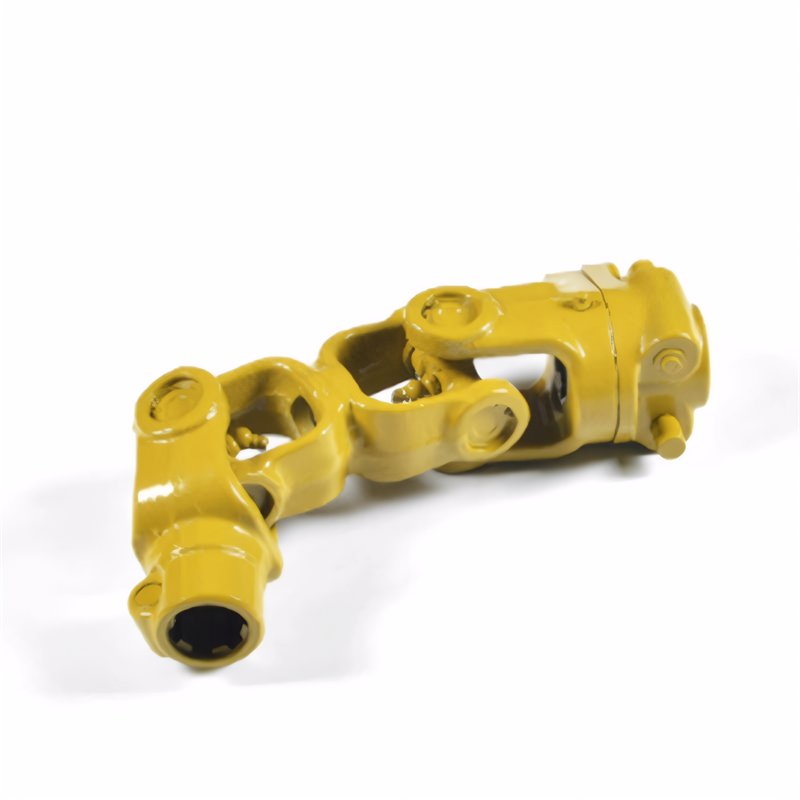 Transmission shaft safety perf
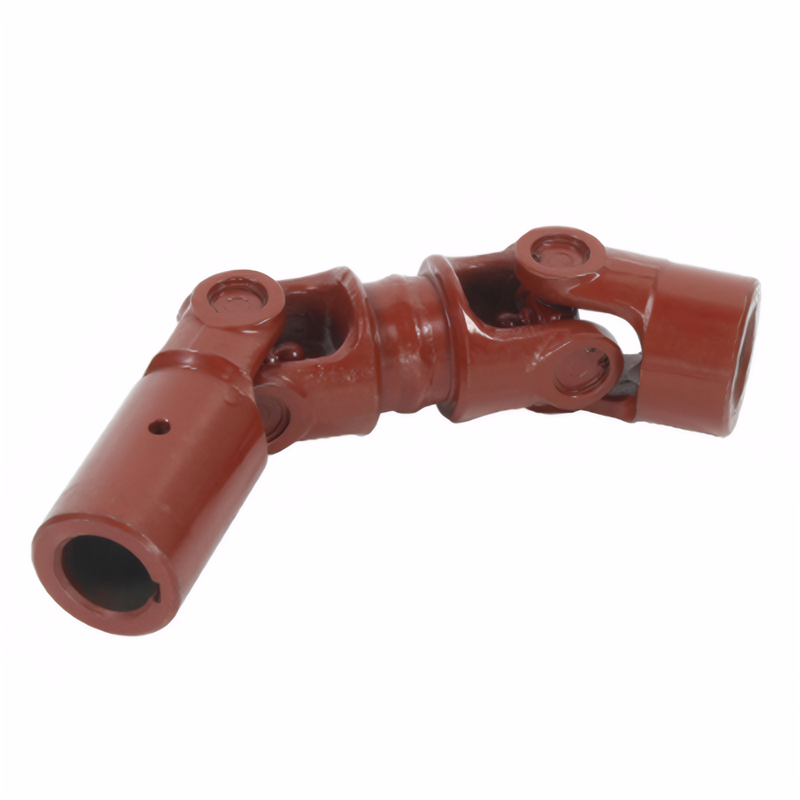 Transmission shaft life test s
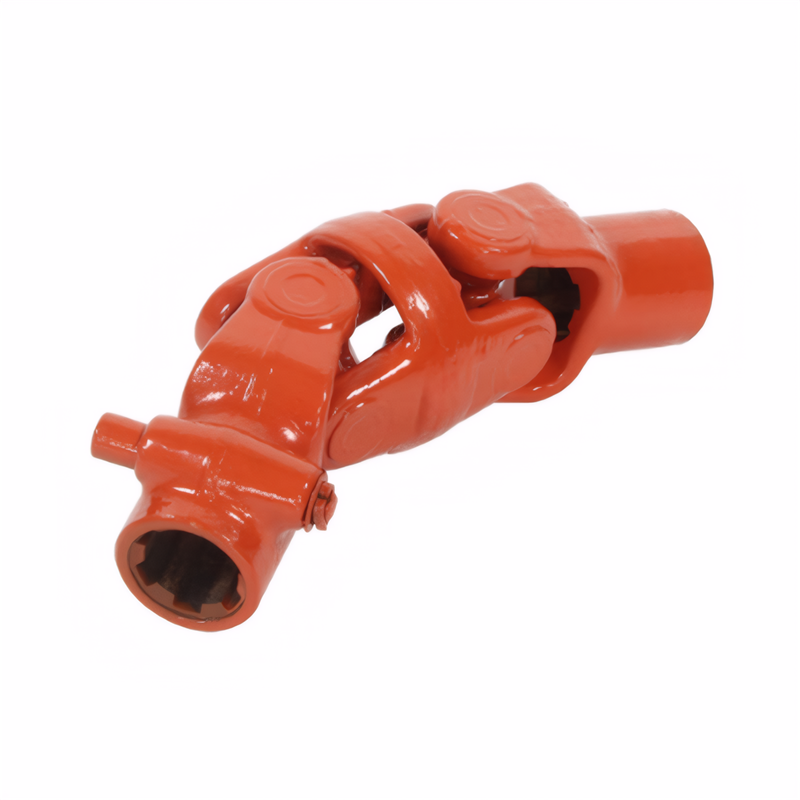 Test requirements for transmis
Standard for batch inspection
Test requirements for transmis
Standard for batch inspection