 简体中文
简体中文 English

Hardness control for surface quenching of drive shafts
Surface Hardness Control in Drive Shaft Quenching: Key Techniques and Industry Practices
Fundamental Principles of Surface Quenching Hardness Control
Achieving precise surface hardness in drive shafts requires balancing heating parameters, cooling rates, and material properties. The process involves localized heating of the outer layer followed by rapid quenching to form martensite, while maintaining a ductile core. Key factors influencing hardness uniformity include heating power, quenching medium selection, and post-treatment processes.
Heating Parameter Optimization for Consistent Hardening Depths
The heating stage determines the depth and quality of the hardened layer. For induction quenching, power density and heating time directly affect hardness distribution. For example, a 42CrMo steel shaft heated at 8–10 kW/cm² for 3–5 seconds achieves a hardened depth of 2–3mm with surface hardness reaching HRC50–55. Adjusting the frequency (e.g., 8–10 kHz for medium-depth hardening) ensures uniform energy absorption across complex geometries like splines or keyways.
In laser quenching, pulse duration and beam overlap play critical roles. A study on hollow drive shafts showed that using 0.5ms pulses with 50% overlap reduced hardness variation from ±5HRC to ±2HRC compared to continuous-wave lasers. This precision is vital for components requiring tight tolerances in automotive transmissions.
Quenching Medium Selection for Targeted Hardness Profiles
The choice of quenching medium influences cooling rate and residual stress distribution. Oil quenching offers moderate cooling (60–100°C/s), suitable for thick-walled shafts to prevent cracking while achieving HRC45–50. Water quenching provides faster cooling (200–300°C/s) for thinner sections but risks excessive distortion if not paired with proper preheating.
Polymer quenching solutions combine the benefits of oil and water, offering adjustable cooling rates (100–150°C/s) by varying concentration. For a 30CrMnSi steel shaft, a 10% polymer solution reduced quenching distortion by 40% compared to water while maintaining surface hardness above HRC52. This adaptability makes polymer quenching ideal for multi-diameter shafts with varying section thicknesses.
Advanced Process Control Techniques for Hardness Uniformity
Modern manufacturing employs real-time monitoring and adaptive systems to ensure consistent hardness across batches. These techniques address variations in material composition, ambient conditions, and equipment performance.
Real-Time Temperature Monitoring During Heating
Infrared pyrometers and thermocouples provide continuous feedback on surface temperature during induction heating. For a 45# steel shaft, integrating pyrometers with a PLC system enabled automatic power adjustment to maintain a ±10°C temperature window, reducing hardness scatter from ±4HRC to ±1.5HRC. This closed-loop control is particularly effective for high-volume production lines.
Quenching Flow Rate Optimization for Even Cooling
In spray quenching systems, nozzle design and flow rate directly impact cooling uniformity. A case study on a hollow drive shaft demonstrated that using a 360° rotating nozzle with 15 L/min flow rate eliminated hardness gradients along the shaft’s length. Compared to static nozzles, this approach reduced the standard deviation of hardness measurements from 3.2HRC to 1.1HRC.
Post-Quenching Stress Relief for Dimensional Stability
Residual stresses from rapid cooling can cause distortion during machining or service. Low-temperature tempering (150–200°C) after quenching reduces these stresses while maintaining surface hardness. For a 20CrMnTi steel shaft, tempering at 180°C for 2 hours decreased residual tensile stress by 70% without lowering hardness below HRC50, improving fatigue life by 25% in bending tests.
Material-Specific Hardness Control Strategies
Different steel grades require tailored quenching parameters to achieve optimal hardness-toughness balance. Understanding material behavior under thermal cycles is essential for process design.
Medium-Carbon Alloy Steels (e.g., 42CrMo)
42CrMo steel responds well to induction quenching due to its moderate hardenability. To achieve HRC50–55 surface hardness, heating to 850–870°C followed by oil quenching is standard. However, for thick-walled sections (>50mm), a two-stage quenching approach—water quenching for the first 30 seconds followed by oil quenching—prevents excessive thermal gradients, reducing cracking risk by 60%.
Low-Carbon Alloy Steels (e.g., 20CrMnTi)
Low-carbon steels like 20CrMnTi are often carburized to enhance surface hardness. For components requiring rapid production, induction hardening offers an alternative. By heating to 900–920°C and quenching in polymer solution, surface hardness reaches HRC58–62 with a core hardness of HRC30–35. This method eliminates the 8–12-hour carburizing cycle, cutting lead time by 70%.
High-Strength Steels (e.g., 30CrMnSi)
High-strength steels demand precise control of quenching temperature to avoid brittleness. For a 30CrMnSi shaft used in mining equipment, heating to 860°C followed by分级 quenching (step quenching in oil at 600°C, then air cooling to room temperature) achieved a surface hardness of HRC52–55 while maintaining core toughness above 40 J (Charpy impact). This approach reduced field failures by 40% compared to single-stage quenching.
Quality Assurance Methods for Hardness Verification
Ensuring compliance with design specifications requires rigorous inspection protocols. Non-destructive and destructive methods complement each other to validate hardness uniformity.
Portable Hardness Testing for On-Site Verification
Rebound hardness testers (e.g., Leeb rebound testers) enable rapid hardness checks across the shaft’s length and diameter. For a 42CrMo shaft, testing at 10 equidistant points revealed a hardness range of HRC50–53, well within the specified HRC48–55 window. This method is particularly useful for large components where laboratory testing is impractical.
Microhardness Mapping for Subsurface Analysis
Vickers microhardness testing provides detailed hardness profiles across the hardened layer. A study on a laser-quenched shaft showed a gradual decrease in hardness from HRC58 at the surface to HRC35 at 1.5mm depth, confirming the absence of soft spots. This data-driven approach ensures the hardened depth meets design requirements (typically 1.5–3mm for drive shafts).
Residual Stress Measurement for Long-Term Reliability
X-ray diffraction (XRD) quantifies residual stresses after quenching, which correlate with fatigue performance. For a 20CrMnTi shaft, XRD analysis revealed compressive residual stresses of −200 MPa at the surface, indicating effective quenching. Components with compressive surface stresses exhibit 30% longer fatigue life under cyclic loading compared to those with tensile stresses.
By integrating these techniques, manufacturers can produce drive shafts with consistent surface hardness, ensuring reliability across automotive, industrial, and heavy-duty applications.
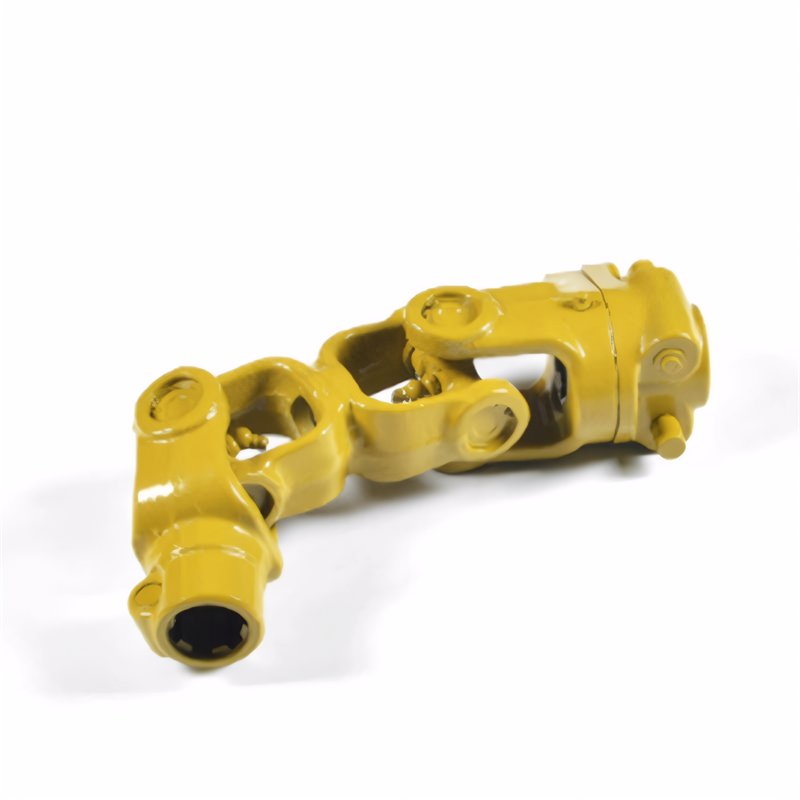 Transmission shaft safety perf
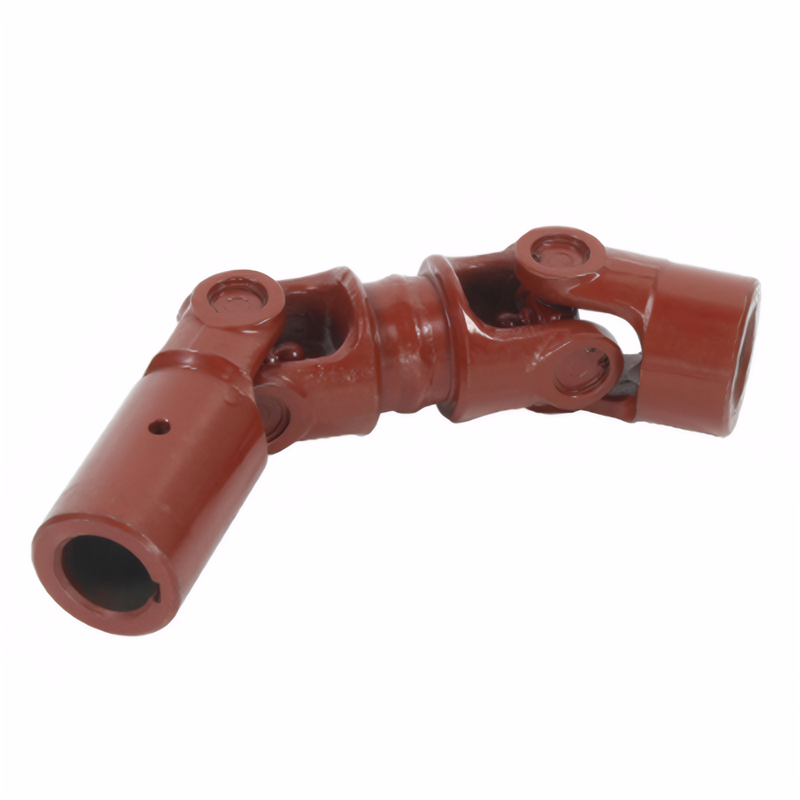 Transmission shaft life test s
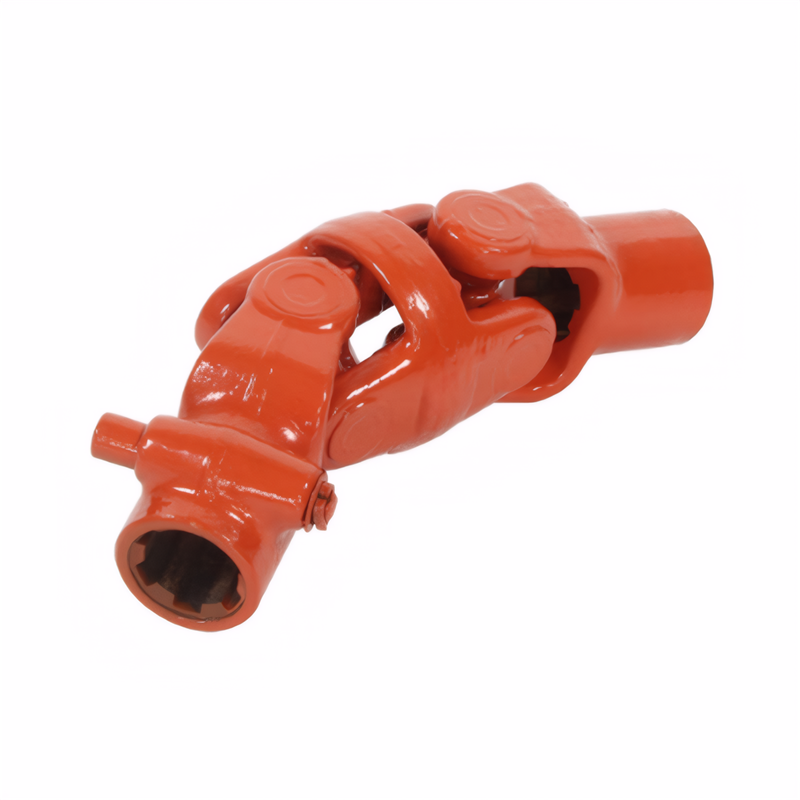 Test requirements for transmis
Standard for batch inspection
Test requirements for transmis
Standard for batch inspection