 简体中文
简体中文 English

Testing of the ductility of drive shaft materials
Comprehensive Guide to Ductility Testing for Drive Shaft Materials
Understanding the Importance of Ductility in Drive Shaft Materials
Drive shafts are critical components in mechanical systems, responsible for transmitting torque and rotational motion between components. Their performance directly impacts the efficiency and reliability of the entire system. One of the key material properties influencing drive shaft performance is ductility—the ability of a material to undergo significant plastic deformation before fracture.
High ductility ensures that drive shafts can absorb energy during sudden loads or impacts without catastrophic failure, reducing the risk of accidents and downtime. For instance, in automotive applications, a ductile drive shaft can withstand road shocks and vibrations, maintaining structural integrity under dynamic conditions. Conversely, brittle materials may fracture abruptly, leading to system failure and potential safety hazards.
Common Ductility Testing Methods for Drive Shaft Materials
Tensile Testing
Tensile testing is the most widely used method for evaluating ductility. In this procedure, a standardized specimen is gripped at both ends and subjected to a gradually increasing tensile load until fracture. Key metrics derived from tensile testing include:
- Elongation: The percentage increase in the gauge length of the specimen before fracture. Higher elongation values indicate greater ductility. For example, a drive shaft material with 20% elongation can deform significantly before breaking, enhancing its ability to absorb energy.
- Reduction of Area: The percentage decrease in the cross-sectional area of the specimen at the fracture point. A higher reduction of area signifies better ductility, as the material can neck down extensively before failure.
During testing, the specimen’s stress-strain curve is recorded, providing insights into its elastic and plastic deformation behavior. The ultimate tensile strength (UTS) and yield strength are also measured, but these primarily reflect strength rather than ductility.
Bend Testing
Bend testing assesses a material’s ability to deform plastically under bending loads without cracking. This method is particularly relevant for drive shafts, which may experience bending moments during operation. The test involves bending a specimen around a mandrel of a specified radius until a predetermined angle is reached or cracks appear.
The bend test evaluates:
- Crack Resistance: The material’s capacity to resist crack initiation and propagation during bending. A ductile material will exhibit significant deformation before cracking, while a brittle material may fracture prematurely.
- Formability: The ease with which the material can be shaped into complex geometries, such as the curved sections of a drive shaft. High formability is essential for manufacturing drive shafts with precise dimensions and minimal residual stresses.
Impact Testing
Impact testing measures a material’s toughness—its ability to absorb energy during fracture under dynamic loading conditions. This is crucial for drive shafts exposed to sudden impacts or shock loads, such as those encountered in off-road vehicles or industrial machinery.
The most common impact test is the Charpy or Izod test, where a notched specimen is struck by a pendulum hammer, and the energy absorbed during fracture is recorded. Key observations include:
- Ductile-to-Brittle Transition Temperature (DBTT): The temperature at which a material transitions from ductile to brittle behavior. For drive shafts operating in cold environments, it is essential to select materials with a low DBTT to prevent brittle fracture.
- Energy Absorption: Higher impact energy values indicate greater toughness and ductility. A drive shaft material with high impact resistance can withstand sudden loads without fracturing, enhancing system reliability.
Factors Influencing Ductility in Drive Shaft Materials
Microstructural Features
The microstructure of a material significantly impacts its ductility. For instance:
- Grain Size: Finer grains generally improve ductility by providing more grain boundaries to impede crack propagation. However, excessive grain refinement may reduce strength, requiring a balance between ductility and strength.
- Phase Composition: The presence of certain phases, such as ferrite in steel, can enhance ductility, while hard phases like martensite may reduce it. Heat treatment processes, such as annealing or quenching and tempering, can be used to optimize the phase composition for desired ductility levels.
Alloying Elements
The addition of specific alloying elements can alter a material’s ductility. For example:
- Manganese (Mn): In steel, manganese improves ductility by suppressing the formation of brittle phases and enhancing grain refinement.
- Nickel (Ni): Nickel increases the toughness and ductility of steel, making it suitable for applications requiring high impact resistance, such as drive shafts in heavy-duty machinery.
Processing History
The manufacturing processes used to produce drive shafts can influence their ductility. For example:
- Forging: Forging can improve ductility by aligning the grain structure and reducing internal defects. However, improper forging parameters may introduce residual stresses or cracks, reducing ductility.
- Machining: Machining operations, such as turning or milling, can introduce surface defects or residual stresses that affect ductility. Post-machining treatments, such as stress relieving or surface finishing, may be necessary to restore ductility.
Practical Considerations for Ductility Testing in Drive Shaft Manufacturing
Sample Preparation
Proper sample preparation is critical for accurate ductility testing. Specimens must be machined to precise dimensions and surface finish requirements to minimize variability in test results. For example, tensile test specimens should have a smooth, parallel gauge section to ensure uniform stress distribution during testing.
Testing Conditions
Testing conditions, such as temperature and strain rate, can significantly impact ductility measurements. For instance:
- Temperature: As mentioned earlier, the DBTT is a critical factor for materials operating in cold environments. Testing at or near the expected service temperature provides more relevant ductility data.
- Strain Rate: The rate at which the load is applied can affect the material’s deformation behavior. High strain rates may simulate dynamic loading conditions, while low strain rates may be more representative of static or quasi-static loading.
Data Interpretation
Interpreting ductility test results requires a thorough understanding of the material’s behavior and the testing method’s limitations. For example:
- Elongation Values: While high elongation indicates good ductility, it is essential to consider the material’s intended application. Excessive elongation may not be necessary for some drive shafts, and other properties, such as strength or fatigue resistance, may take precedence.
- Crack Propagation: In bend or impact tests, the pattern of crack propagation can provide insights into the material’s fracture behavior. For instance, a material that exhibits ductile tearing before final fracture is generally preferred over one that fractures abruptly.
Conclusion
Ductility testing is a vital component of quality control in drive shaft manufacturing, ensuring that materials can withstand the dynamic loads and environmental conditions they will encounter during service. By employing a combination of tensile, bend, and impact testing methods, manufacturers can comprehensively evaluate a material’s ductility and make informed decisions about its suitability for specific applications. Understanding the factors influencing ductility, such as microstructure, alloying elements, and processing history, allows for the optimization of material properties to meet the demanding requirements of modern mechanical systems.
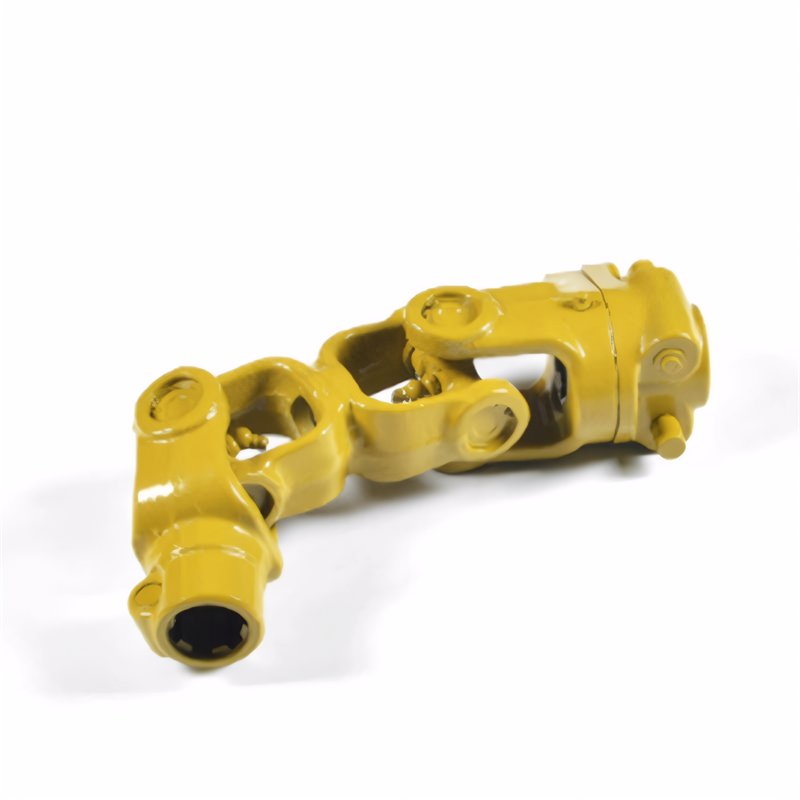 Transmission shaft safety perf
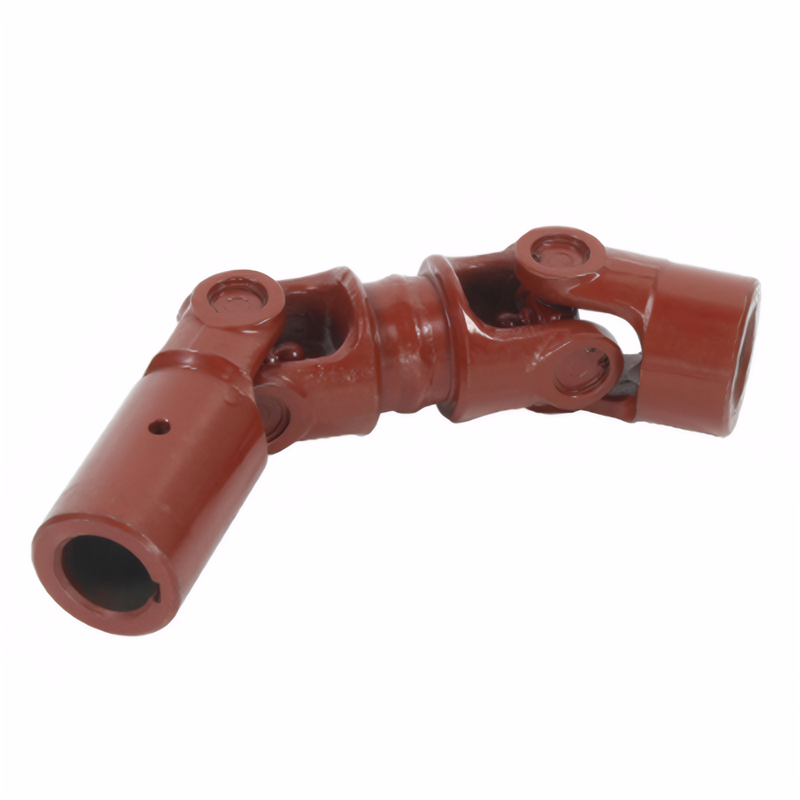 Transmission shaft life test s
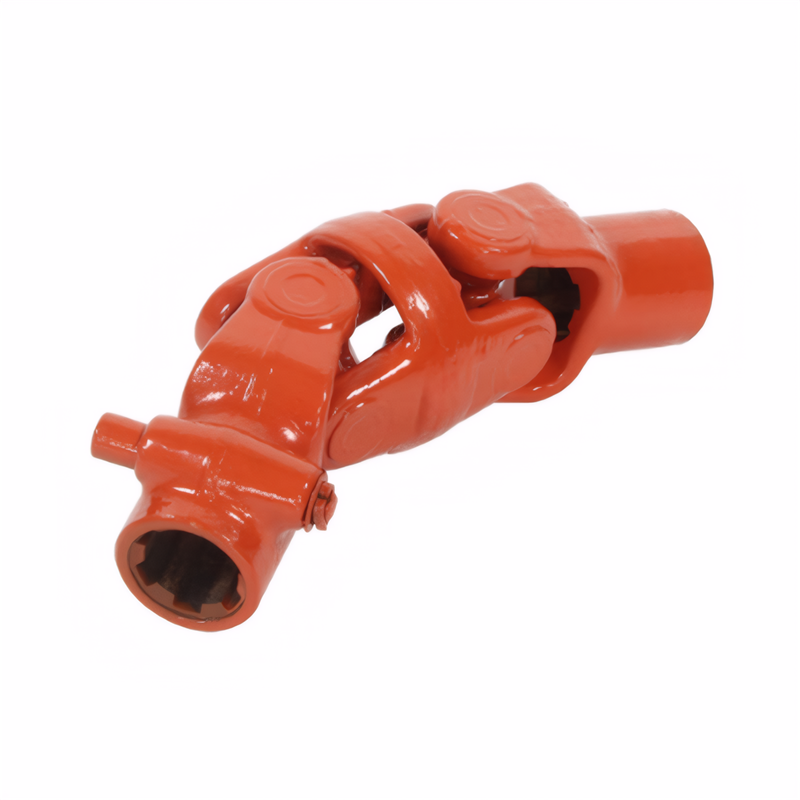 Test requirements for transmis
Standard for batch inspection
Test requirements for transmis
Standard for batch inspection