 简体中文
简体中文 English

High-strength application of titanium alloy for drive shafts
High-Strength Applications of Titanium Alloys in Drive Shafts
Titanium alloys have emerged as a critical material in the development of high-performance drive shafts, offering a unique combination of strength, lightweight, and corrosion resistance. Their applications span across various industries, including automotive, aerospace, and marine engineering, where durability and reliability under extreme conditions are paramount.
Enhanced Mechanical Properties for High-Load Scenarios
Superior Strength-to-Weight Ratio
Titanium alloys, such as Ti-6Al-4V, exhibit an exceptional strength-to-weight ratio, making them ideal for drive shafts that must withstand high torsional loads while minimizing weight. This alloy's tensile strength can reach up to 1100 MPa, with a yield strength between 800-950 MPa, allowing it to maintain structural integrity under severe stress. The lightweight nature of titanium, with a density of only 4.43 g/cm³, significantly reduces the overall mass of the drive shaft system, leading to improved fuel efficiency and vehicle performance.
High Fatigue Resistance
Drive shafts are subjected to cyclic loading, which can lead to fatigue failure over time. Titanium alloys demonstrate excellent fatigue resistance, with a fatigue limit typically ranging from 550-600 MPa. This property ensures that drive shafts made from titanium alloys can endure millions of stress cycles without significant degradation, making them suitable for long-term use in demanding applications.
Improved Torsional Performance
The torsional strength of titanium alloys, such as TA9 (Ti-0.2Pd), is another critical factor in their suitability for drive shafts. TA9 can achieve a torsional strength of 350-400 MPa, with minimal loss in strength even after 10^6 fatigue cycles. This stability under torsional stress is essential for maintaining the integrity of the drive shaft during operation, especially in applications where high torque is transmitted.
Corrosion Resistance for Harsh Environments
Marine Applications
In marine environments, drive shafts are exposed to corrosive elements such as saltwater and chlorine ions. Titanium alloys, with their natural ability to form a protective oxide layer, exhibit superior corrosion resistance compared to traditional materials like steel. This property makes them ideal for use in submarines and ships, where the drive shafts must operate reliably in harsh seawater conditions. For instance, titanium alloys have been used in the construction of submarine pressure hulls and propeller shafts, significantly extending their service life and reducing maintenance costs.
Chemical Processing Industry
Drive shafts in chemical processing plants are often exposed to aggressive chemicals and high temperatures. Titanium alloys' resistance to corrosion and heat makes them suitable for such applications. They can withstand the corrosive effects of acids, alkalis, and solvents, ensuring the longevity and reliability of the drive shafts in these challenging environments.
Thermal Stability for High-Temperature Applications
Aerospace Industry
In the aerospace industry, drive shafts are subjected to extreme temperatures during operation. Titanium alloys, with their high thermal stability, can maintain their mechanical properties at elevated temperatures. For example, Ti-6Al-4V retains its strength and toughness at temperatures up to 550°C, making it suitable for use in aircraft engines and other high-temperature components. This thermal stability ensures that the drive shafts can operate reliably without deformation or failure, even under the most demanding conditions.
Automotive Exhaust Systems
The exhaust systems of high-performance vehicles generate significant heat, which can degrade the performance of traditional materials. Titanium alloys, with their excellent heat resistance, are increasingly being used in automotive exhaust systems. They can withstand the high temperatures without losing their structural integrity, ensuring efficient power transmission and reducing the risk of failure. Additionally, the lightweight nature of titanium alloys contributes to improved vehicle fuel efficiency and reduced emissions.
Advanced Manufacturing Techniques for Precision Components
Additive Manufacturing
The advent of additive manufacturing technologies, such as 3D printing, has revolutionized the production of titanium alloy drive shafts. This technique allows for the creation of complex geometries and intricate internal structures that are difficult or impossible to achieve with traditional manufacturing methods. Additive manufacturing also enables the production of lightweight yet strong drive shafts with optimized material distribution, further enhancing their performance and efficiency.
Heat Treatment and Surface Modification
Heat treatment processes, such as quenching and tempering, can be used to further enhance the mechanical properties of titanium alloy drive shafts. These processes can increase the alloy's strength, hardness, and fatigue resistance, making them even more suitable for high-load applications. Surface modification techniques, such as nitriding or coating, can also be applied to improve the wear resistance and corrosion protection of the drive shafts, extending their service life in harsh environments.
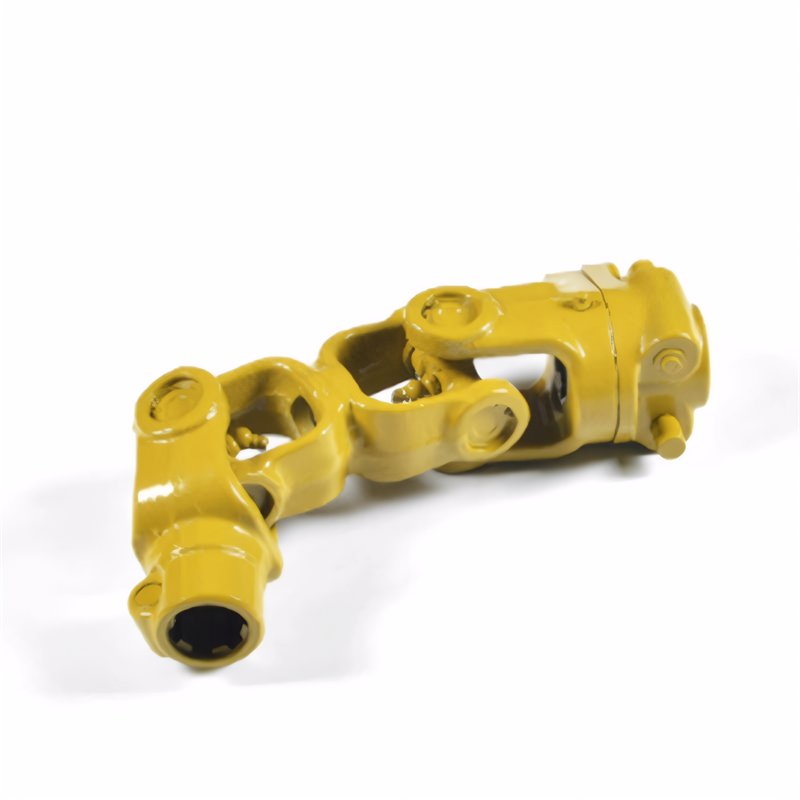 Transmission shaft safety perf
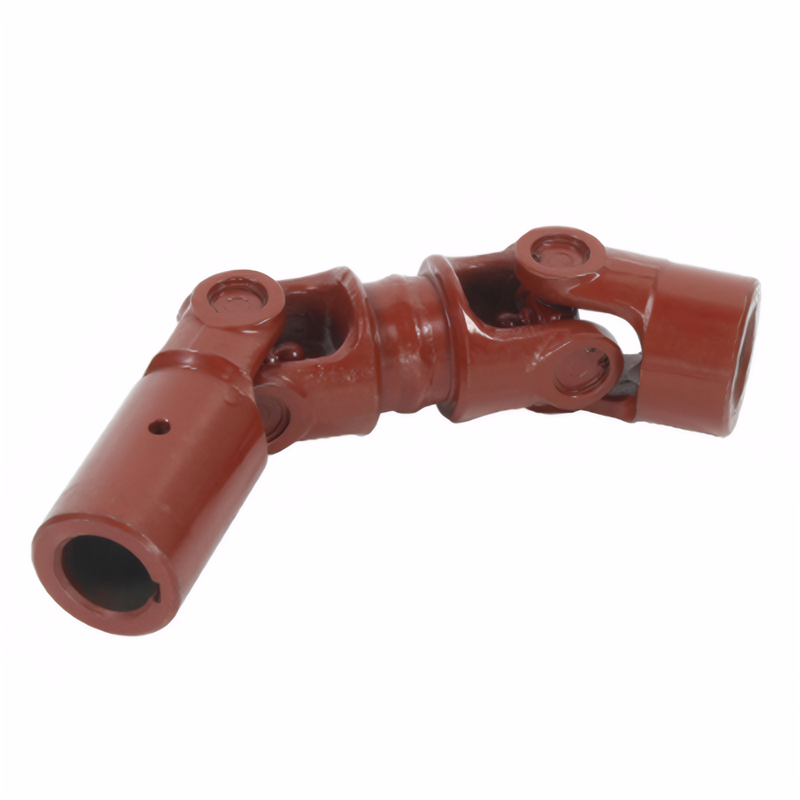 Transmission shaft life test s
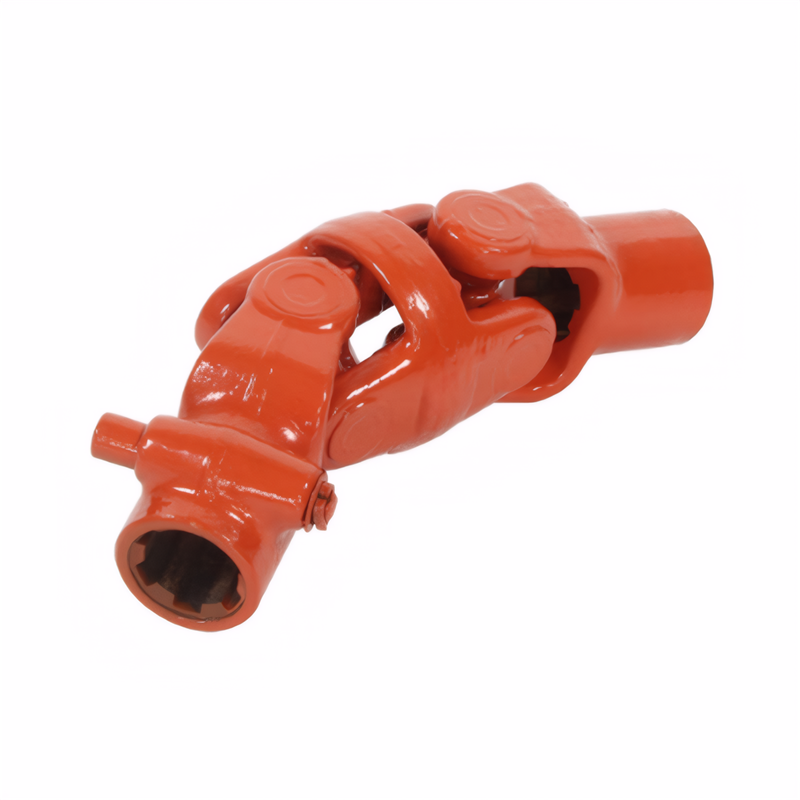 Test requirements for transmis
Standard for batch inspection
Test requirements for transmis
Standard for batch inspection