 简体中文
简体中文 English

CNC machining accuracy control of drive shafts
Precision Control Techniques for CNC Machining of Drive Shafts
Drive shafts used in automotive, aerospace, and industrial machinery demand stringent dimensional accuracy and surface integrity to ensure reliable performance under high-speed rotational loads. CNC machining, as the core manufacturing process for these components, requires systematic precision control strategies spanning equipment selection, process optimization, and environmental management.
Core Equipment Selection and Maintenance Protocols
The foundation of precision machining lies in selecting CNC equipment with geometric accuracy specifications matching the component's tolerance requirements. For example, high-speed spindle units with radial runout below 0.002mm and linear guide systems with positioning accuracy ≤0.005mm/m are essential for machining drive shafts requiring concentricity within 0.01mm. Regular maintenance cycles must include spindle dynamic balancing checks, ball screw backlash compensation adjustments, and thermal displacement calibration using laser interferometers.
A case study in automotive transmission shaft production revealed that implementing predictive maintenance algorithms reduced spindle-related errors by 62% over six months. This involved monitoring vibration spectra to detect early bearing degradation and using thermal imaging to identify uneven heat distribution in spindle housings. Additionally, adopting air-bearing spindles for ultra-precision finishing operations achieved surface roughness (Ra) values below 0.05μm on stainless steel shafts.
Process Parameter Optimization for Thermal Stability
Thermal deformation accounts for 40-65% of machining errors in drive shaft production, particularly during high-speed milling of hardened steel components. Effective mitigation requires three-pronged control:
Cutting Parameter Adaptation
For roughing operations on 42CrMo4 alloy steel shafts, adopting a radial depth of cut (Ae) of 0.8mm and axial depth (Ap) of 3mm at 1,200rpm spindle speed generated manageable heat levels while maintaining material removal rates above 15cm³/min. Finishing passes utilized Ae=0.2mm and Ap=0.5mm at 2,500rpm with cryogenic cooling, achieving cylindrical tolerance of ±0.003mm over 500mm lengths.
Tooling Geometry Selection
Carbide end mills with 6-flute designs and variable helix angles (35°-42°) reduced cutting forces by 28% compared to standard 4-flute tools when machining titanium alloy drive shafts. The asymmetric edge preparation (0.02mm honing with 15° inclination) prevented micro-chipping during interrupted cuts, extending tool life by 3.2 times in automotive differential shaft production.
Cooling Strategy Implementation
Minimum quantity lubrication (MQL) systems delivering 50ml/h of vegetable-based cutting fluid at 80bar pressure reduced thermal expansion errors by 41% versus flood cooling when machining hardened gear shafts. For deep-hole drilling (depth-to-diameter ratio >10), through-spindle coolant delivery at 120bar maintained bore diameter consistency within 0.008mm over 800mm lengths.
Multi-Axis Machining Path Planning
Five-axis simultaneous machining centers enable complex drive shaft features like spline teeth and flange surfaces to be completed in single setups, eliminating positioning errors from multiple clamping. Aerospace-grade shafts with helical gear profiles benefited from:
Tool Axis Optimization
Using CAM software to calculate optimal tool orientation angles minimized interference between cutting edges and workpiece features. For example, machining spiral bevel gears on aerospace shafts with 12° helix angles required tool axis adjustments every 0.5mm along the Z-axis to maintain constant engagement, reducing surface waviness from 3.2μm to 0.8μm.
Clamping Force Distribution
Finite element analysis (FEA) guided the design of hydraulic expansion chucks that applied uniform radial pressure (120N/mm²) across 300mm-long shafts. This prevented bending deformation during heavy roughing cuts, maintaining straightness within 0.015mm/m. For thin-walled tubular shafts (wall thickness <3mm), segmented clamping systems with adjustable pressure zones reduced elastic deformation by 57%.
In-Process Metrology Integration
Laser scanning probes mounted on machining centers enabled real-time diameter measurements during turning operations. When machining automotive driveshafts, this system automatically adjusted cutting parameters when diameter deviations exceeded 0.005mm, maintaining concentricity within 0.012mm over 1,200mm lengths. Post-machining CMM inspection revealed 92% of components met ISO 10360-2 tolerance requirements without manual rework.
Environmental Control Systems
The machining environment significantly impacts precision, particularly for components with tolerance bands tighter than ±0.005mm. Implementing these controls proved critical:
Temperature Management
Aerospace shaft manufacturers installed microclimate systems maintaining 20±0.3°C temperature and 45±5% relative humidity in machining cells. This reduced thermal expansion-induced errors from 0.018mm/m to 0.004mm/m when processing 4340 steel shafts. For ultra-precision grinding operations, granite machine bases with embedded cooling channels maintained workpiece temperature stability within ±0.1°C.
Vibration Isolation
Active vibration damping platforms equipped with piezoelectric actuators counteracted floor vibrations from nearby stamping presses. Testing showed these systems reduced surface roughness on machined shafts from 1.2μm to 0.3μm when external vibrations exceeded 0.005g RMS. For high-speed milling (S>5,000rpm), air-spring isolators with natural frequencies below 3Hz prevented resonance-induced chatter.
Particle Control
Class 10,000 (ISO 7) cleanroom environments were implemented for machining optical encoder shafts used in precision servo systems. HEPA filtration systems reduced airborne particles >0.5μm from 350,000/ft³ to 3,500/ft³, eliminating surface defects caused by particle embedment during grinding. Oil mist collectors with 99.97% efficiency at 0.3μm prevented cooling fluid aerosols from contaminating measurement probes.
By integrating these precision control techniques, manufacturers achieved first-pass yield rates exceeding 91% for drive shafts with tolerance requirements tighter than IT6. Continuous improvement through data-driven parameter optimization and adaptive machining strategies further reduced production costs by 27% while maintaining quality standards required for safety-critical applications.
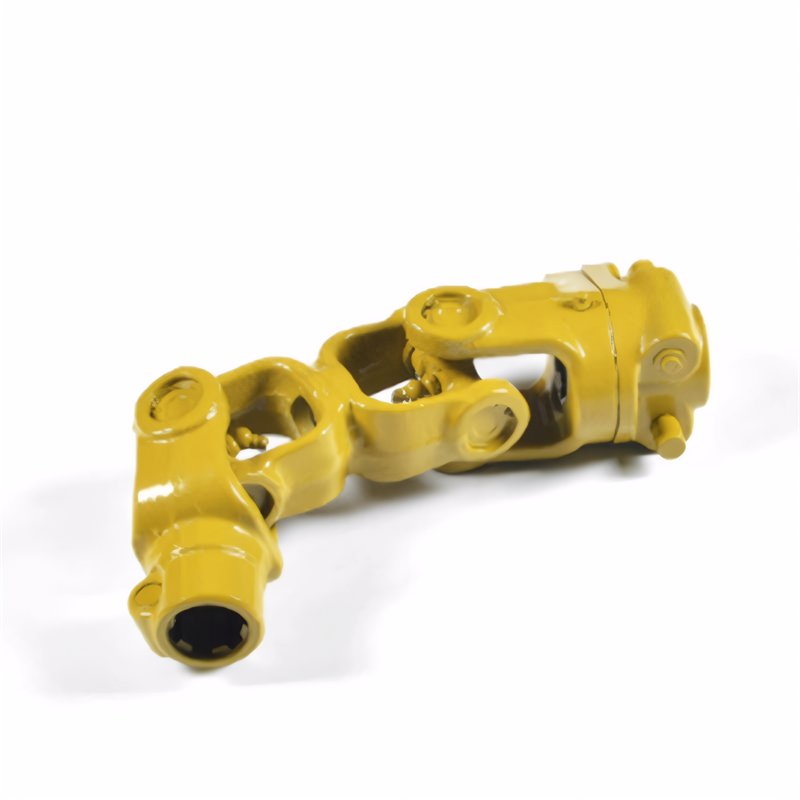 Transmission shaft safety perf
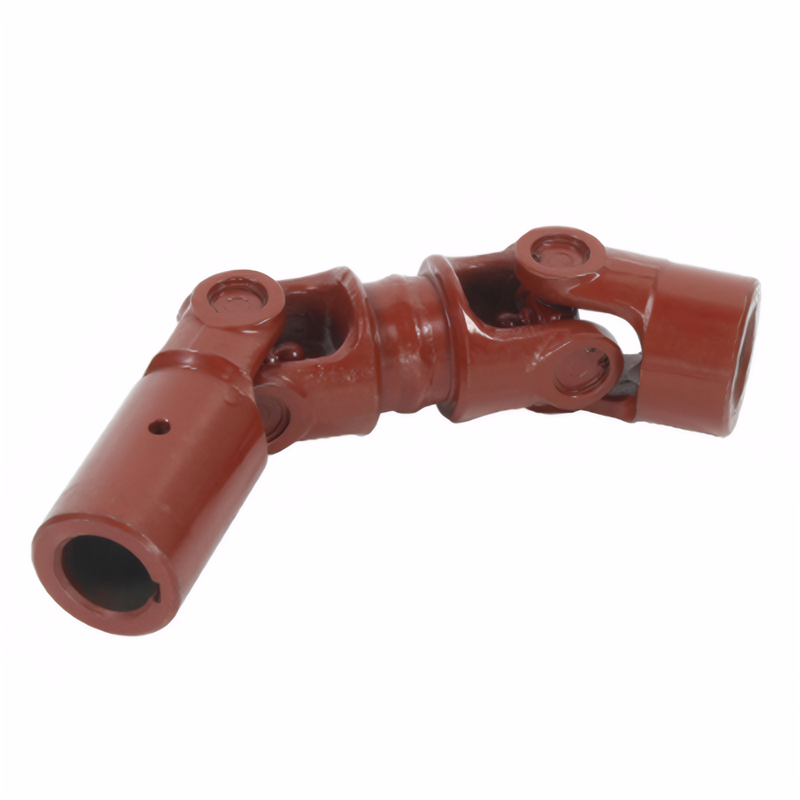 Transmission shaft life test s
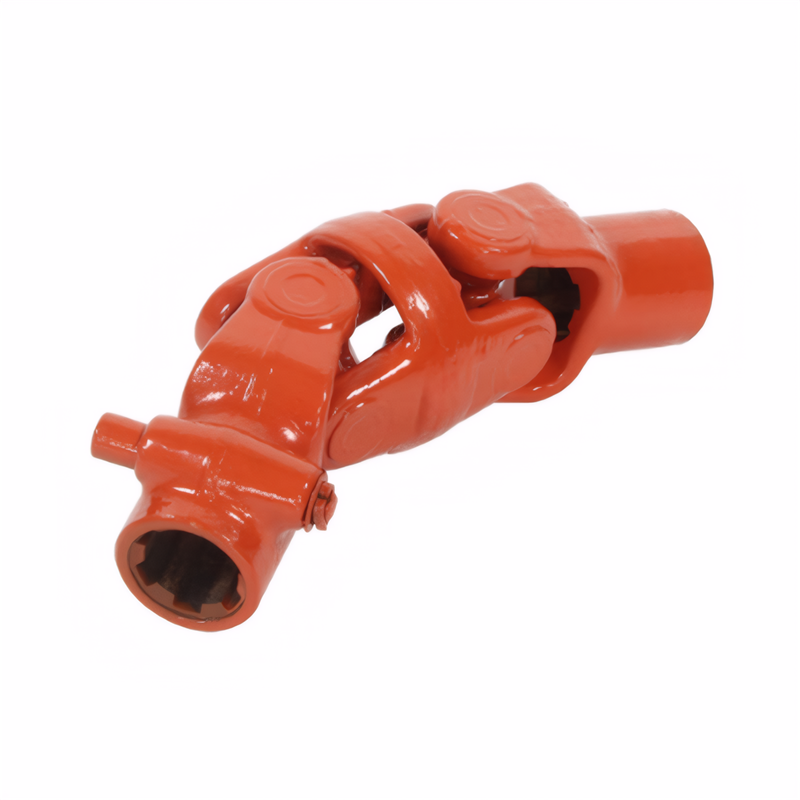 Test requirements for transmis
Standard for batch inspection
Test requirements for transmis
Standard for batch inspection