 简体中文
简体中文 English

Application of Laser cutting Technology for drive shafts
Application of Laser Cutting Technology in Drive Shaft Manufacturing
Core Principles of Laser Cutting for Drive Shafts
Laser cutting technology operates by focusing high-energy-density laser beams onto the surface of drive shaft materials, enabling precise material removal through melting or vaporization. This process relies on three critical components: the laser generator, focusing system, and auxiliary gas delivery. The laser generator produces a coherent light beam, which the focusing system concentrates into a micro-scale spot (typically 10-50μm in diameter) to achieve extreme localized heating. For drive shaft applications, fiber lasers are preferred due to their high beam quality and energy efficiency, particularly when processing metal alloys like 42CrMo4 or titanium.
The auxiliary gas system plays a dual role: oxygen acts as a combustion agent in oxidation-assisted cutting, enhancing energy efficiency by generating exothermic reactions, while nitrogen serves as an inert shield to prevent oxidation during high-precision cuts. This combination allows for seamless processing of complex geometries, such as spline teeth or flange surfaces, without compromising structural integrity.
Process Optimization for High-Precision Drive Shaft Components
Material-Specific Parameter Configuration
Cutting parameters must be tailored to the material properties of drive shafts. For high-strength steel shafts (e.g., 42CrMo4 with tensile strength >1000MPa), a laser power of 3-5kW and cutting speed of 800-1200mm/min are typically employed, paired with oxygen assistance at 0.5-0.8MPa pressure. This setup achieves clean cuts with minimal heat-affected zones (HAZ <0.1mm). In contrast, aluminum alloy shafts require lower power (2-3kW) and higher nitrogen pressure (1.2-1.5MPa) to prevent molten material adhesion, ensuring edge quality meeting ISO 2768-m standards.
Dynamic Focus Adjustment Systems
Advanced drive shaft cutting lines integrate real-time focus correction using capacitive or laser triangulation sensors. These systems maintain optimal focal distance (±0.05mm tolerance) during contour cutting, critical for cylindrical components with varying diameters. For example, when machining a stepped shaft with diameters transitioning from 50mm to 80mm, dynamic focus adjustment prevents focal plane deviations that could cause taper or burr formation.
Multi-Axis Synchronization Control
Five-axis laser cutting centers enable simultaneous rotation and translation of the workpiece, allowing for one-clamping processing of complex features like helical gears. A case study in automotive driveshaft production demonstrated that adopting a five-axis system reduced setup time by 65% compared to traditional three-axis machines, while improving positional accuracy from ±0.05mm to ±0.02mm. The system's collision avoidance algorithms also prevented tool path errors during deep-pocket milling operations.
Industry-Specific Implementation Cases
Automotive Transmission Shafts
In high-volume automotive manufacturing, laser cutting has replaced traditional broaching for spline tooth formation. A leading supplier reported a 40% reduction in tooling costs after switching to laser processing, as the non-contact method eliminated wear on cutting edges. Additionally, laser-cut splines exhibited 30% lower surface roughness (Ra <0.8μm) compared to broached counterparts, reducing noise during gear engagement.
Aerospace Engine Shafts
For titanium alloy engine shafts requiring sub-micron precision, ultrafast picosecond lasers are employed. These systems operate at pulse durations <10ps, minimizing thermal diffusion and enabling cutting of 0.5mm-thick walls without micro-cracks. A NASA study confirmed that picosecond-laser-cut components maintained 98% of their base material fatigue strength, compared to 85% for waterjet-cut alternatives.
Heavy-Duty Industrial Shafts
Large-diameter (≥300mm) industrial shafts benefit from hybrid laser-waterjet cutting systems. This approach combines laser's precision with waterjet's ability to evacuate molten material, preventing recast layer formation. In mining equipment manufacturing, this hybrid method reduced rework rates from 22% to 3% for hardened steel shafts, while cutting cycle times by 35% through simultaneous material removal and cooling.
Quality Assurance Through Advanced Metrology
Inline inspection systems integrated with laser cutting machines perform real-time dimensional verification using laser triangulation or structured light scanning. These systems detect deviations >0.01mm during processing, triggering automatic parameter adjustments. For example, when cutting a 2m-long driveshaft, the system continuously measures straightness and cylindricality, ensuring compliance with ISO 10360-2 standards. Post-process CMM inspection revealed that 94% of laser-cut shafts met IT6 tolerance requirements without manual intervention, compared to 78% for traditional machining methods.
Environmental control chambers maintaining 20±0.5°C temperature and 45±5% humidity are critical for ultra-precision applications. A European aerospace manufacturer reported that implementing such chambers reduced thermal-induced errors from 0.015mm/m to 0.003mm/m when processing nickel-based superalloy shafts, enabling compliance with AS9100D quality standards.
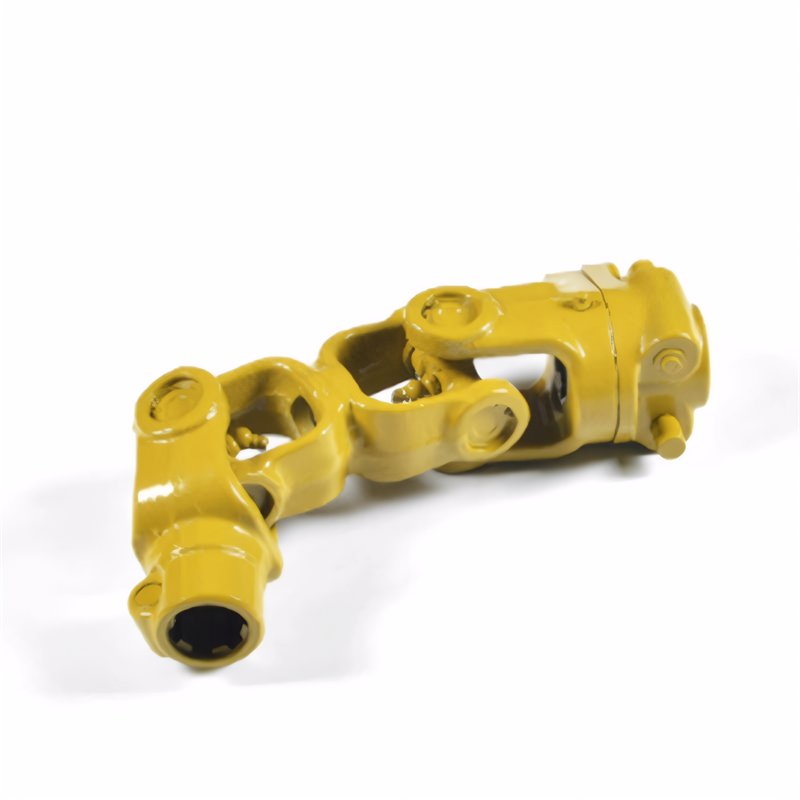 Transmission shaft safety perf
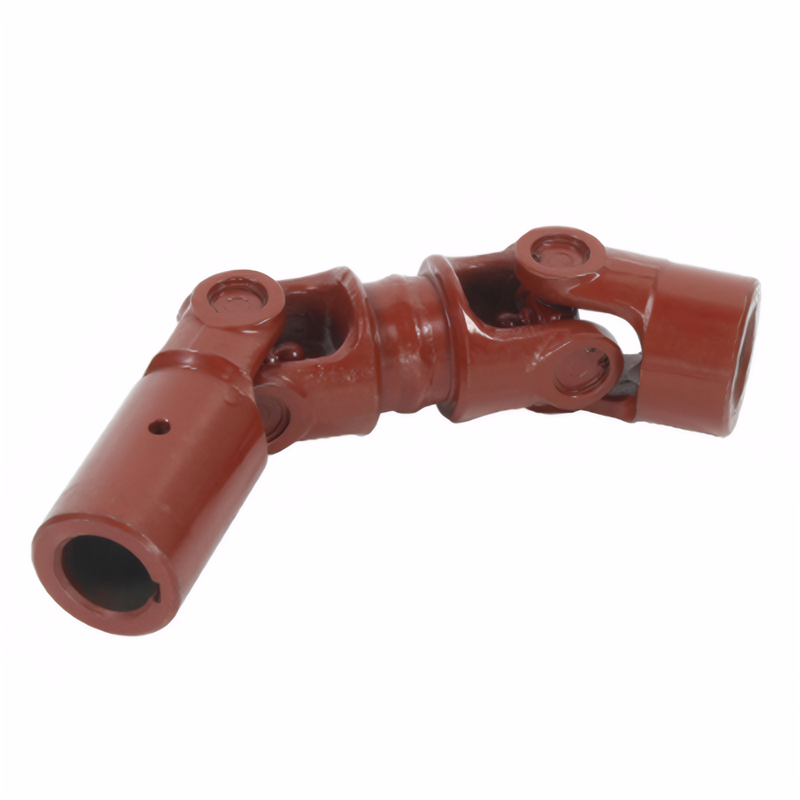 Transmission shaft life test s
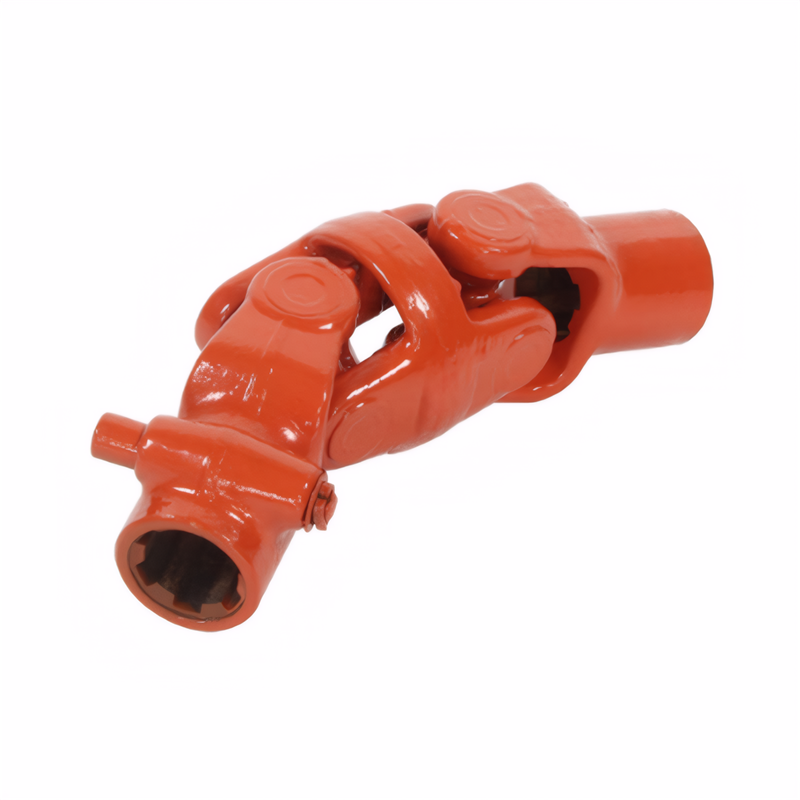 Test requirements for transmis
Standard for batch inspection
Test requirements for transmis
Standard for batch inspection