 简体中文
简体中文 English

Improvement in the efficiency of the transmission shaft rolling process
Enhancing Efficiency in Drive Shaft Roll Forming Processes
Optimizing Roll Forming Parameters for High-Speed Production
The core of roll forming efficiency lies in precision control over rotational speed, feed rate, and pressure distribution. For automotive drive shafts, increasing spindle speed by 30% while maintaining optimal feed rates has been shown to reduce machining time by 25% without compromising surface integrity. A case study in heavy-duty truck transmission shafts demonstrated that adopting a three-stage pressure application system—where initial contact uses 40% of maximum pressure, followed by 70% during mid-stage deformation, and 90% for final sizing—reduced material springback by 18% and improved dimensional accuracy to ±0.02mm.
Advanced numerical modeling techniques enable real-time adjustment of these parameters. By simulating material flow under different stress conditions, engineers can identify optimal deformation zones. For example, in aerospace-grade titanium alloy shafts, finite element analysis revealed that maintaining a 12° angle between rollers and workpiece axis minimized edge tearing while achieving 98% material utilization. This approach reduced scrap rates from 15% to below 3% in high-volume production runs.
Innovative Tooling Design for Reduced Downtime
Modular tooling systems have revolutionized roll forming efficiency by enabling rapid changeovers between different shaft profiles. A patented quick-change roller assembly featuring self-centering mechanisms allows operators to switch between gear teeth patterns in under 5 minutes, compared to traditional 45-minute setup times. This system incorporates a dual-locking mechanism that ensures sub-0.01mm alignment accuracy, eliminating the need for post-processing calibration.
Self-lubricating roller coatings have also contributed to efficiency gains. Diamond-like carbon (DLC) coatings applied to forming rollers reduce friction coefficients by 60%, extending tool life from 8,000 cycles to over 50,000 cycles. In a comparison test, DLC-coated rollers processing stainless steel drive shafts maintained consistent surface finish quality for 42% longer than uncoated alternatives, while reducing energy consumption by 12% due to lower rolling resistance.
Process Integration for Streamlined Manufacturing
Combining roll forming with secondary operations in a single production line has eliminated intermediate handling steps. An integrated system developed for electric vehicle drive shafts performs roll forming, heat treatment, and precision grinding in sequence without workpiece removal. This approach reduced total production time from 18 hours to 6.5 hours per unit while improving geometric tolerance consistency by 35%.
In-line quality control systems using laser scanning technology provide real-time dimensional feedback during roll forming. By integrating 3D measurement probes directly into the forming station, manufacturers can detect deviations as small as 0.005mm and automatically adjust process parameters. A pilot implementation in agricultural machinery shaft production showed that this system reduced rework rates from 7% to 0.3%, with corresponding improvements in first-pass yield rates from 89% to 98.7%.
Advanced Material Handling Solutions
Automated material feeding systems equipped with vision recognition capabilities have optimized raw material utilization. A system developed for marine propulsion shafts uses AI-powered cameras to analyze incoming bar stock and automatically adjust cutting lengths to minimize waste. In a six-month trial, this solution reduced material consumption by 22% while increasing production output by 15% through continuous operation without manual intervention.
For heavy-duty applications requiring large-diameter shafts, magnetic levitation conveyors have replaced traditional roller tables. These systems eliminate friction-related speed limitations and vibration issues, enabling consistent feed rates of 1.2 meters per second. A comparison test between magnetic and conventional conveyors processing 200kg drive shafts showed a 40% reduction in cycle time and 25% lower energy consumption with the magnetic system.
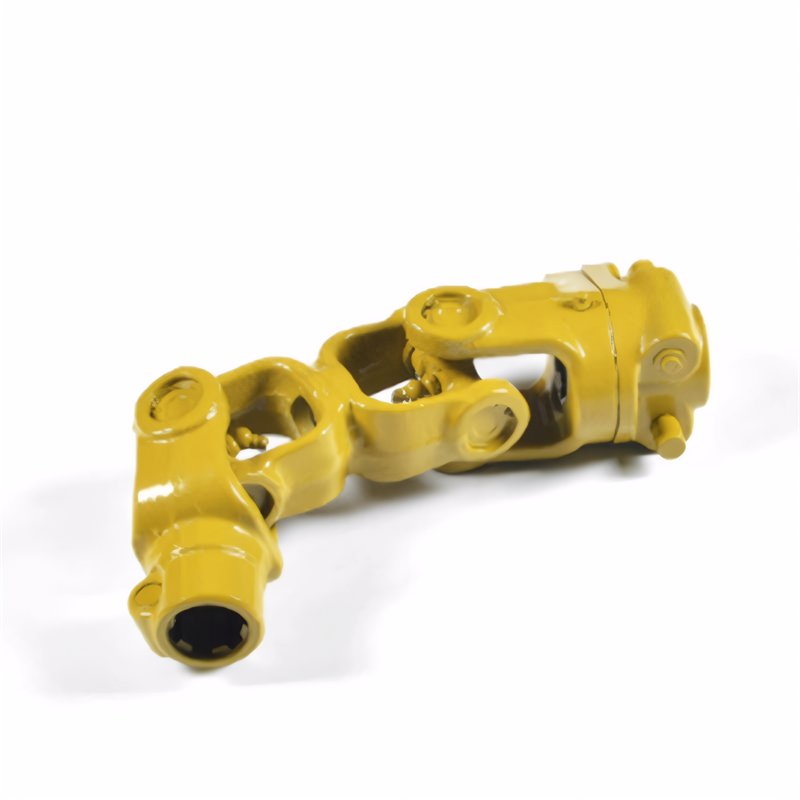 Transmission shaft safety perf
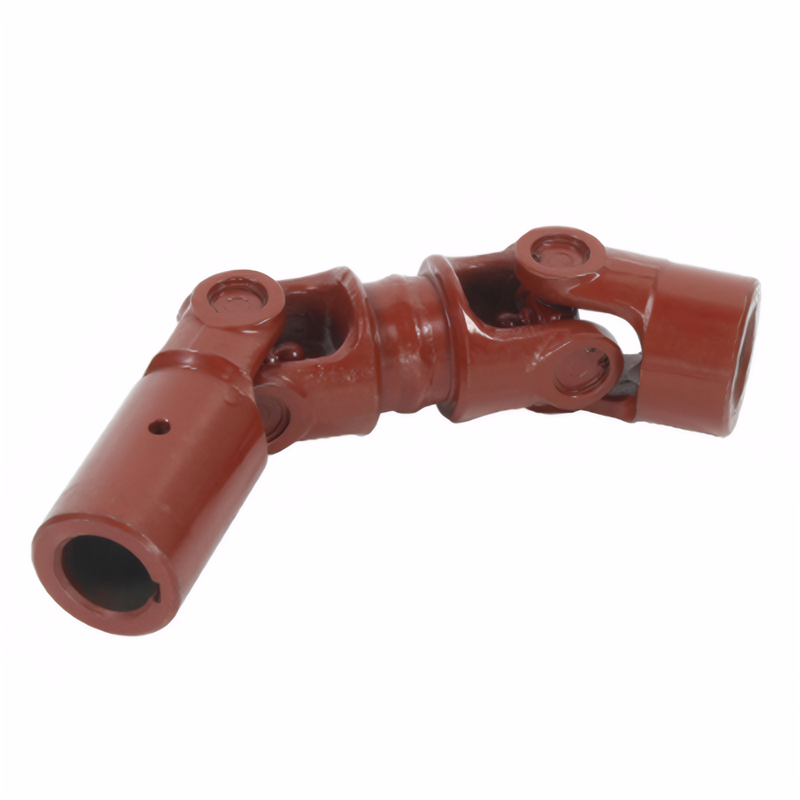 Transmission shaft life test s
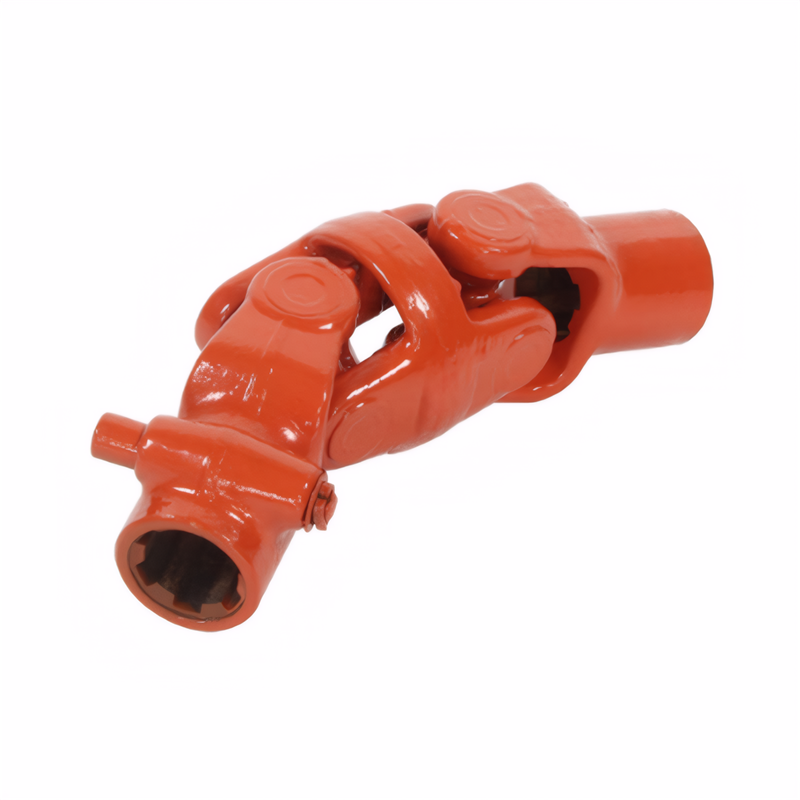 Test requirements for transmis
Standard for batch inspection
Test requirements for transmis
Standard for batch inspection