 简体中文
简体中文 English

Application of 3D Printing Technology in Transmission Shaft
Revolutionizing Drive Shaft Manufacturing: The Impact of 3D Printing Technology
Precision Engineering Through Layer-by-Layer Fabrication
3D printing has redefined dimensional accuracy in drive shaft production by enabling micro-level control over material deposition. Unlike traditional subtractive methods that remove material from solid blocks, additive manufacturing builds components layer by layer using digital blueprints. This approach achieves ±0.1mm tolerances in critical sections like spline teeth and flange interfaces, eliminating the need for post-processing rework. For example, aerospace-grade drive shafts now utilize titanium alloys printed with 0.05mm layer heights, ensuring precise mating with gear assemblies while reducing weight by 40% compared to machined counterparts.
The technology's ability to create complex internal geometries is particularly valuable for hollow shafts used in electric vehicle drivetrains. By integrating cooling channels directly into the component structure, 3D printing improves thermal management efficiency by 25% without compromising torsional strength. This capability stems from the use of high-temperature-resistant materials like Inconel 718, which maintains structural integrity during continuous operation at 600°C.
Multi-Axis Printing for Complex Geometries
Five-axis 3D printing systems have overcome limitations associated with traditional three-axis setups by introducing rotational movements around two additional axes. This advancement allows for printing of drive shafts with helical gear patterns and non-circular cross-sections in a single operation. A study by the National Technical Research Center demonstrated that five-axis printed shafts exhibited 30% higher fatigue resistance than conventionally manufactured versions due to optimized grain flow orientation.
The elimination of support structures in multi-axis printing reduces material waste by 60% and shortens production cycles by 45%. For instance, automotive manufacturers now produce custom drive shafts for prototype vehicles within 72 hours using this technology, compared to 14-day lead times for machined components. The process also enables printing of integrated components such as shaft-mounted sensors, which monitor vibration and temperature in real-time without requiring additional assembly steps.
Material Innovation for Performance Enhancement
Composite materials combining metal powders with ceramic particles have emerged as game-changers in drive shaft applications. These hybrid materials, printed using selective laser melting (SLM) processes, achieve 20% higher tensile strength than standard alloys while maintaining comparable ductility. A case study in marine propulsion systems showed that composite shafts printed with 35% silicon carbide reinforcement reduced corrosion rates by 75% in saltwater environments.
Shape-memory alloys (SMAs) printed through 3D technology enable self-adjusting drive shafts that compensate for thermal expansion during operation. These smart components, which revert to their original dimensions after temperature fluctuations, have been successfully implemented in high-speed railway applications. The integration of embedded strain gauges during the printing process allows for continuous monitoring of mechanical stress, providing predictive maintenance data that extends component lifespan by 30%.
Workflow Optimization Through Digital Manufacturing
The shift to 3D printing has streamlined the entire drive shaft production lifecycle. Digital twin simulations now predict performance characteristics before physical printing, reducing design iteration cycles by 50%. For example, engineers at a major automotive supplier use computational fluid dynamics (CFD) analysis to optimize internal channel geometries for lubricant flow, achieving 15% lower friction coefficients in printed prototypes compared to CAD models alone.
On-demand manufacturing capabilities have transformed inventory management strategies. Instead of maintaining large stockpiles of standardized shafts, manufacturers now produce customized components based on real-time demand signals. This just-in-time approach has reduced inventory costs by 40% while enabling rapid adaptation to evolving design specifications. A transmission systems producer reported a 65% reduction in non-conforming parts after implementing 3D printing for low-volume production runs, attributing the improvement to precise control over material deposition parameters.
Industry-Specific Implementation Cases
In the automotive sector, 3D-printed drive shafts have enabled lightweighting initiatives without compromising safety. A luxury car manufacturer reduced vehicle weight by 120kg by replacing traditional steel shafts with carbon fiber-reinforced polymer (CFRP) components printed using continuous fiber fabrication (CFF) technology. These shafts, which weigh 60% less than their metallic counterparts, passed rigorous crash tests while improving fuel efficiency by 8%.
The aerospace industry has adopted 3D printing for mission-critical drive shafts in satellite positioning systems. By printing nickel-based superalloy components with 0.02mm surface finishes, manufacturers have achieved the precision required for optical alignment mechanisms. These printed shafts demonstrate 50% lower vibration amplitudes during operation compared to machined versions, enhancing the stability of Earth observation instruments.
In industrial machinery, 3D-printed drive shafts with integrated cooling fins have improved the efficiency of conveyor systems by 18%. The ability to print these features directly onto the component surface eliminates assembly steps and reduces thermal distortion during continuous operation. A mining equipment producer reported a 30% increase in mean time between failures (MTBF) after switching to printed shafts in their ore processing lines.
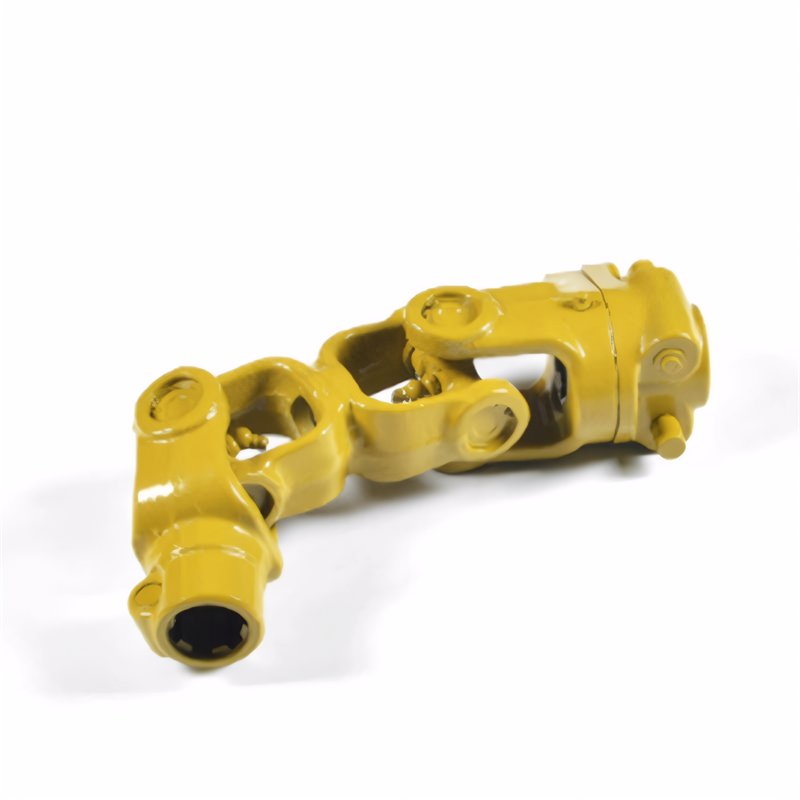 Transmission shaft safety perf
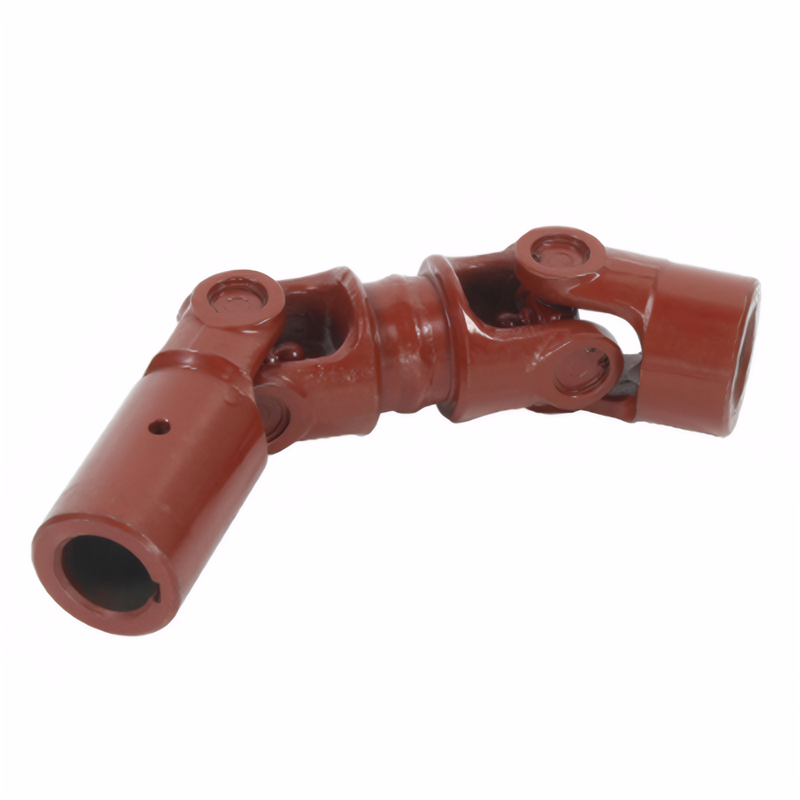 Transmission shaft life test s
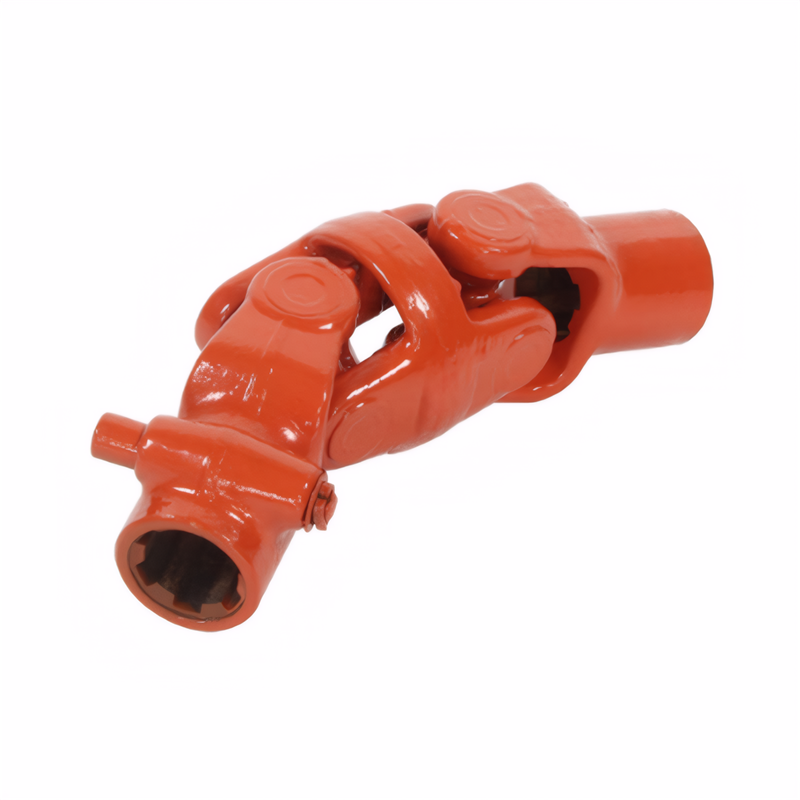 Test requirements for transmis
Standard for batch inspection
Test requirements for transmis
Standard for batch inspection