 简体中文
简体中文 English

Powder metallurgy characteristics of drive shafts
Key Characteristics of Powder Metallurgy for Drive Shafts
High Material Utilization and Near-Net Shape Forming
Powder metallurgy (PM) for drive shafts achieves material utilization rates exceeding 90%, significantly higher than the 60-70% typical of traditional forging processes. This efficiency stems from the "near-net shape" forming capability, where components are pressed to dimensions close to final specifications, minimizing post-processing waste. For example, automotive drive shaft components like spline gears and flange connectors are produced with minimal cutting allowances, reducing raw material consumption by 30-40% compared to machined parts. The process also enables complex geometries, such as internal oil reservoirs in self-lubricating bearings, which are impractical to machine from solid billets.
Precision Control Over Porosity and Density
PM allows precise adjustment of porosity levels (typically 5-15% in structural components) to balance mechanical properties with functional requirements. For low-speed, light-load applications like automotive steering systems, porous iron-based bearings with 20-30% porosity are impregnated with lubricants to achieve self-lubrication, eliminating external oiling systems. Conversely, high-density PM components (≥7.0 g/cm³) for high-speed transmission shafts exhibit tensile strengths exceeding 500 MPa, approaching the performance of wrought steels. This density control is achieved through advanced sintering techniques, such as vacuum sintering at 1,250°C, which enhances particle bonding without introducing oxidation defects.
Enhanced Mechanical Performance Through Material Engineering
PM enables tailored material compositions that optimize specific performance metrics. For instance, copper-infiltrated iron (Cu-Fe) alloys combine iron’s strength with copper’s ductility, achieving wear resistance suitable for heavy-duty industrial shafts. In automotive applications, PM gears made from pre-alloyed Fe-Ni-Mo powders demonstrate 40% higher fatigue life than wrought steel counterparts due to their homogeneous microstructure without casting segregation.
Thermal Stability and Corrosion Resistance
Aluminum-based PM alloys, containing Zn and Mg additives, form intermetallic compounds during sintering that improve thermal conductivity and corrosion resistance. These materials are widely used in marine drive shafts, where saltwater exposure demands materials with 10-year corrosion resistance guarantees. Similarly, stainless steel PM components (e.g., 316L grade) maintain their mechanical integrity at temperatures up to 500°C, making them ideal for aerospace engine shafts subjected to extreme thermal cycles.
Cost-Effective Production for High-Volume Manufacturing
PM’s automated pressing and sintering lines enable economical mass production of drive shaft components. A single 1,000-ton press can produce 50,000-100,000 parts annually with consistent quality, reducing per-unit costs by 25-35% compared to machining. This scalability is critical for automotive suppliers, where a single transmission model may require 2 million PM-produced synchronizer rings over its lifecycle. Additionally, PM’s minimal tooling wear extends die life beyond 500,000 cycles, further lowering production expenses.
Reduced Environmental Impact Through Sustainable Practices
PM generates 60% less scrap than subtractive manufacturing methods, aligning with global sustainability goals. The process also eliminates cutting fluids used in machining, reducing hazardous waste disposal costs by 80%. Advanced PM facilities incorporate closed-loop powder recovery systems that recycle 98% of unused material, minimizing raw resource extraction. For example, a European automotive supplier reported a 42% reduction in CO₂ emissions per drive shaft component after switching to PM from traditional forging.
Application-Specific Customization Capabilities
PM’s versatility supports component design optimization for diverse drive shaft applications. In robotics, lightweight titanium-based PM shafts (density 4.5 g/cm³) reduce inertial loads by 30%, improving motion precision. For electric vehicle (EV) drivetrains, PM-produced differential gears with integrated oil channels achieve 15% higher efficiency by minimizing fluid agitation losses. Even niche applications, such as medical device drive shafts requiring biocompatible materials, leverage PM to produce 316L stainless steel components with surface roughness below Ra 0.2 μm, meeting stringent hygiene standards.
Integration of Multi-Material Solutions
PM facilitates the creation of hybrid components combining dissimilar materials for enhanced functionality. For example, bimetallic bushings with steel outer layers and bronze inner sleeves are co-pressed and sintered to achieve both high load capacity and low friction. Similarly, PM-produced composite shafts incorporating carbon fiber reinforcements demonstrate 50% higher torsional stiffness than monolithic metal designs, enabling downsizing without compromising performance. These innovations are driving adoption in high-performance sectors like motorsports, where every gram of weight reduction translates to competitive advantage.
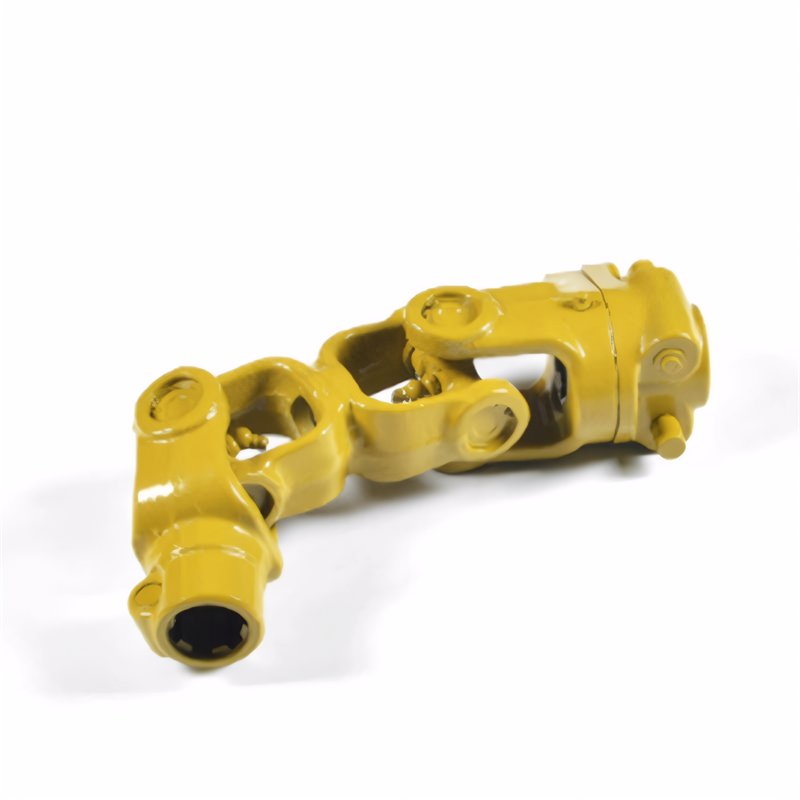 Transmission shaft safety perf
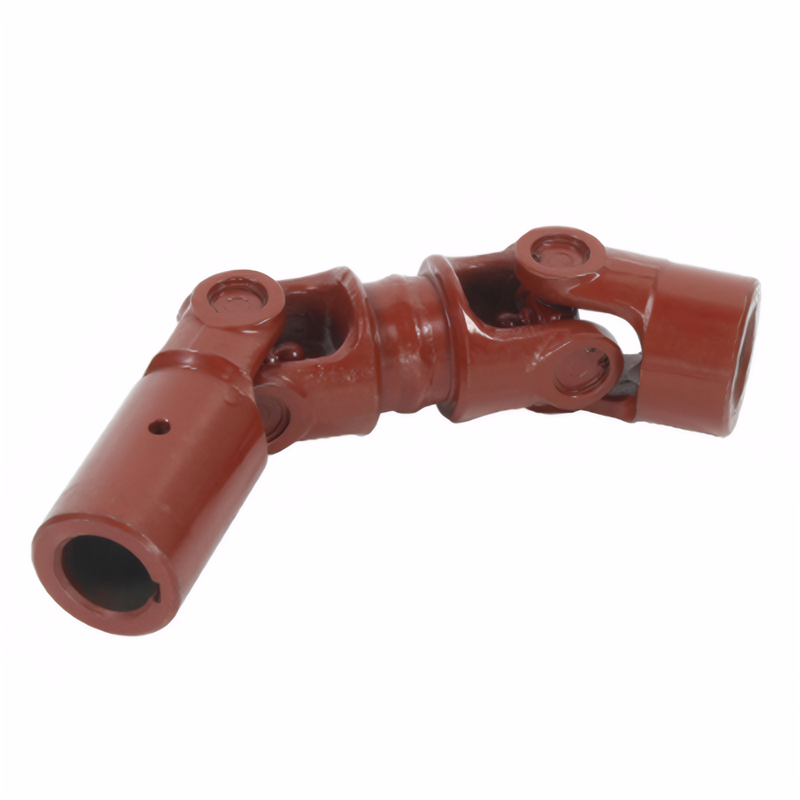 Transmission shaft life test s
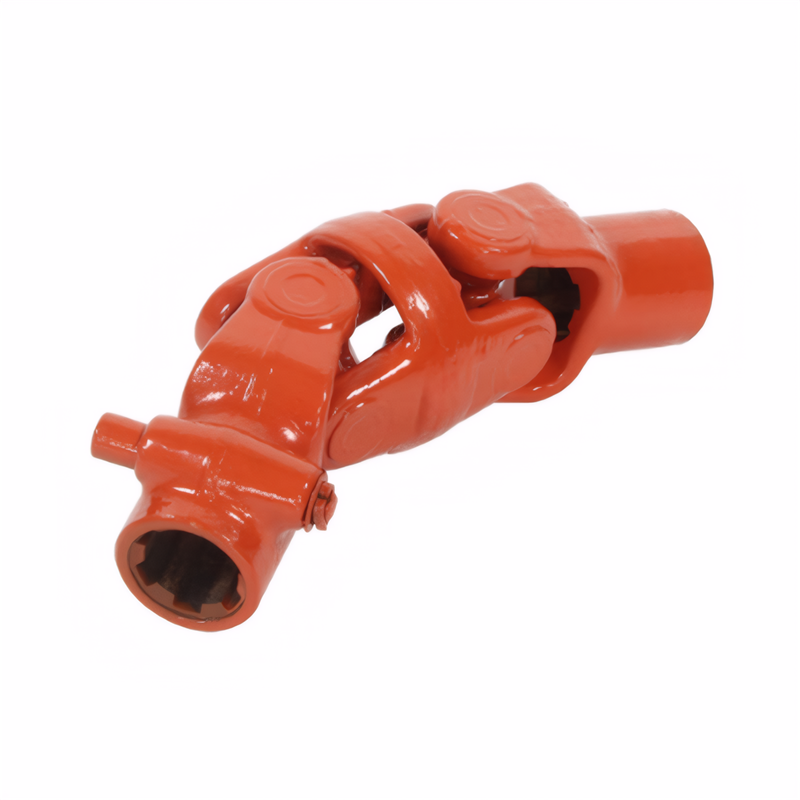 Test requirements for transmis
Standard for batch inspection
Test requirements for transmis
Standard for batch inspection